.svg)

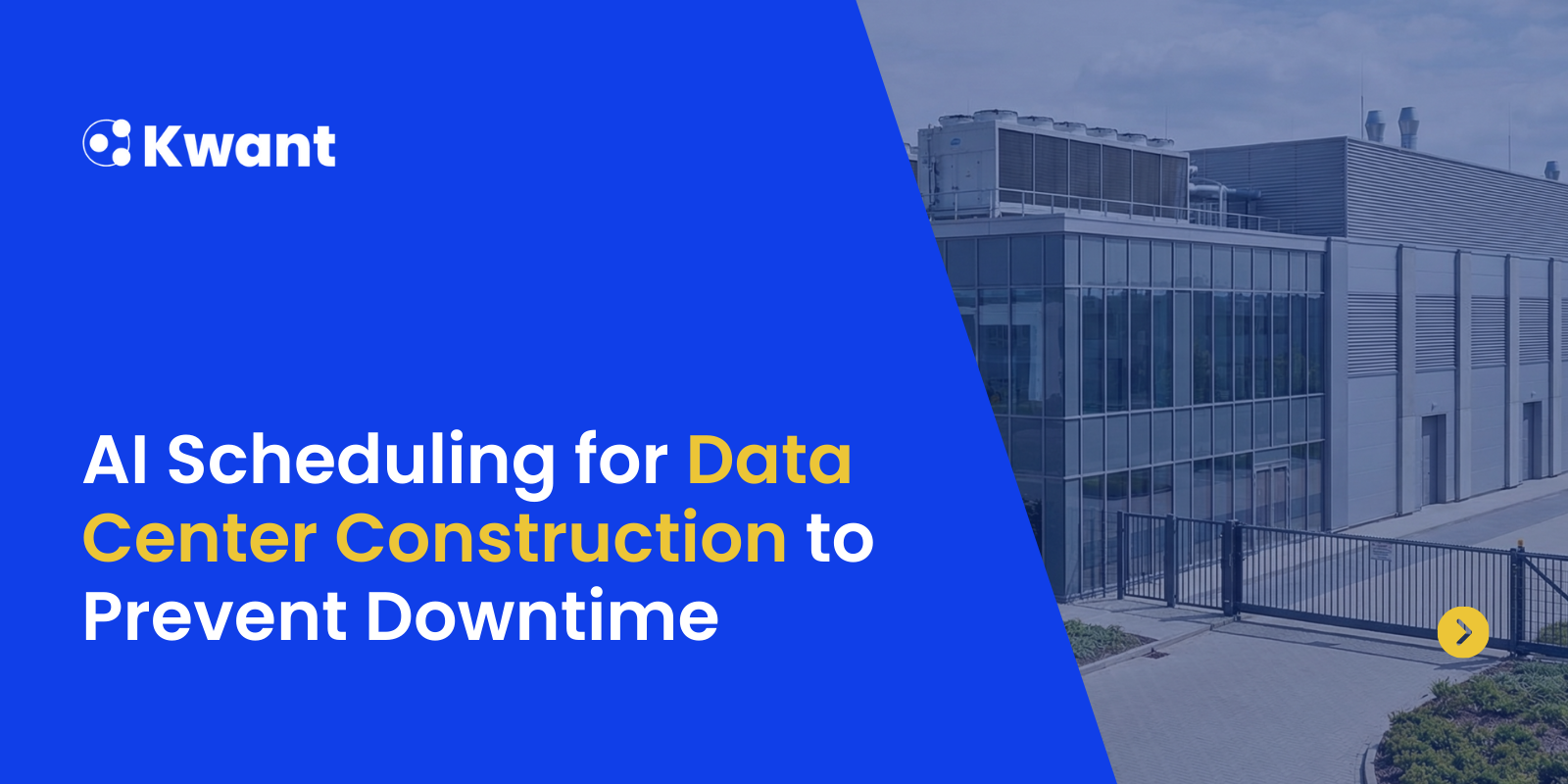


Data centers are among the most complex and time-sensitive construction projects in the world. With digital demand increasing every year, owners expect faster delivery, fewer delays, and predictable handoffs. Yet even a small setback during construction can disrupt commissioning, drive up costs, and push go-live dates far beyond what was planned.
To avoid costly downtime, project teams are turning to AI scheduling and real-time workforce insights to keep data center construction on track. With the right tools and processes, contractors can improve planning accuracy, reduce delays, and maintain tighter control over critical path activities.
Understanding the Causes of Data Center Downtime During Construction
Data center downtime doesn’t only happen after the facility is operational. Delays and bottlenecks during construction can snowball into major schedule overruns. The most common causes include:
1. Labor Shortages and Complex Trade Sequencing
Data centers require hundreds of specialized workers across electrical, mechanical, low-voltage, and commissioning teams. When the workforce is misaligned or understaffed, tasks fall behind quickly.
2. Long-Lead Equipment Procurement Issues
Generators, switchgear, UPS systems, cooling equipment, and IT gear all have lengthy lead times. Miscommunication or poor coordination often delays installation.
3. Safety Incidents and Site Shutdowns
Data centers involve high-risk activities. A single incident can shut down an entire site, pushing back critical milestones.
4. Outdated Communication and Scheduling Tools
When project managers rely on manual tracking or static schedules, real-time issues remain hidden until it’s too late.
Data Center Project Scheduling: Why Precision Matters
Data center construction scheduling must handle an unusually high volume of dependencies. These projects are:
- MEP-heavy, with dense electrical and cooling systems
- Fast-paced, with aggressive deadlines from owners and operators
- High-risk, because commissioning activities rely on perfect sequencing
Traditional scheduling tools often break down because they can’t adapt to fast-changing field conditions. When a single MEP task slips, the entire commissioning pathway may be exposed to risk.
That’s why accurate, dynamic data center project scheduling is essential.
How AI Scheduling Keeps Data Center Projects on Track
AI-powered scheduling brings speed, adaptability, and predictive insight to construction planning. Instead of waiting for weekly updates, teams receive continuous visibility into what is happening on-site.
Real-Time Schedule Adjustments
AI updates the schedule automatically based on workforce data, task progress, and field changes, something manual scheduling can’t achieve.
Predictive Delay Detection
AI models identify which tasks are likely to fall behind, enabling proactive action rather than reactive problem-solving.
Workforce Optimization
AI helps ensure the right number of workers and trades are scheduled at the right time, reducing idle labor and preventing overcrowding.
Automated Reporting
Progress reports, manpower logs, and productivity updates are generated instantly, keeping stakeholders aligned.
Reduction of Human Error
Automated insights remove guesswork and reduce the chance of missed scheduling conflicts.
AI Scheduling for Data Centers: Key Use Cases
1. Coordinating MEP and Low-Voltage Trades
AI helps sequence these complex layers more accurately, preventing cascading delays.
2. Managing Large Workforces
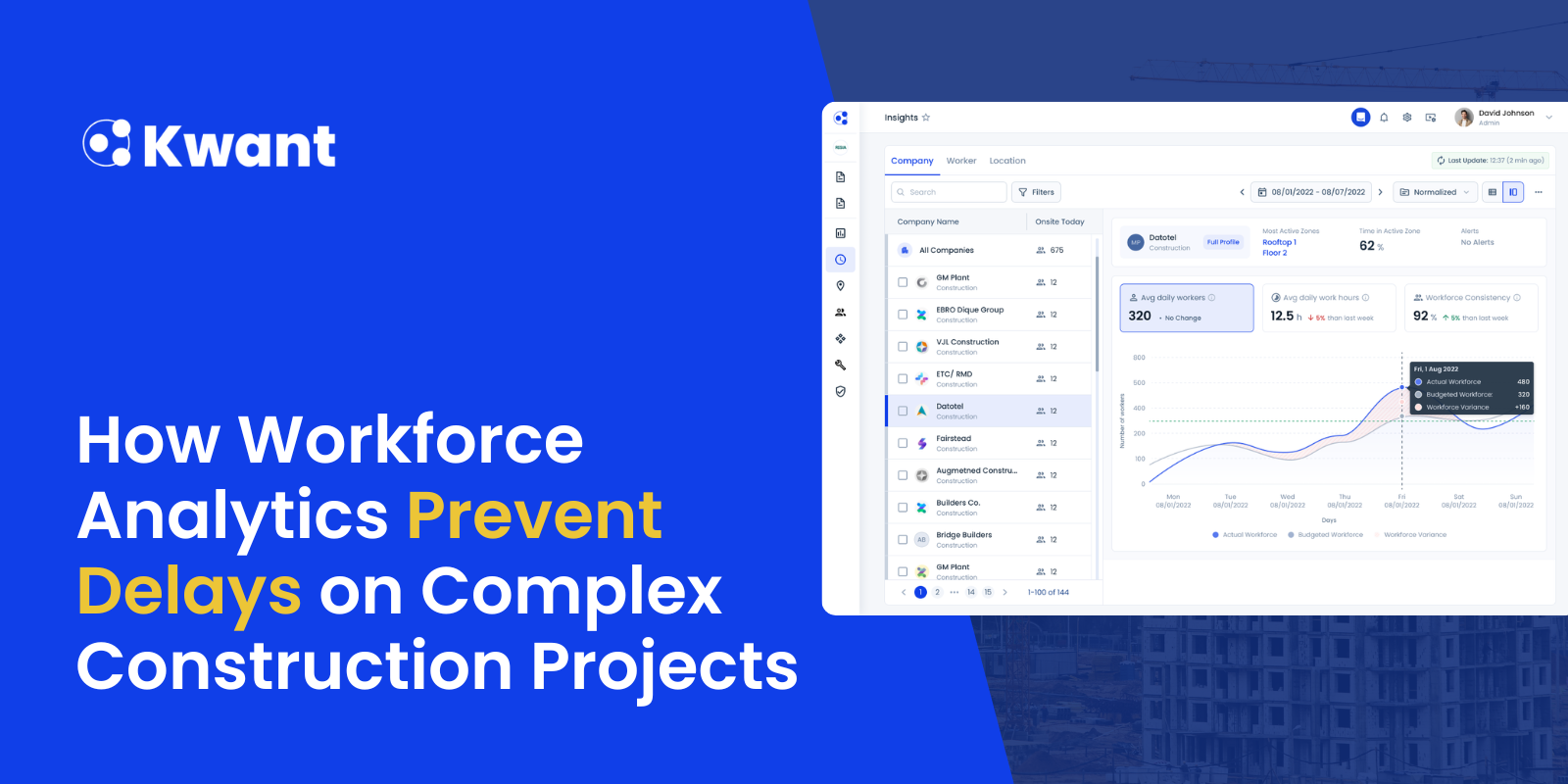
When hundreds of subcontractors enter daily, AI ensures staffing matches schedule needs.
3. Commissioning and Turnover Forecasting
AI identifies early signs of commissioning risks, allowing teams to fix issues before they impact the critical path.
4. Monitoring Workforce Productivity
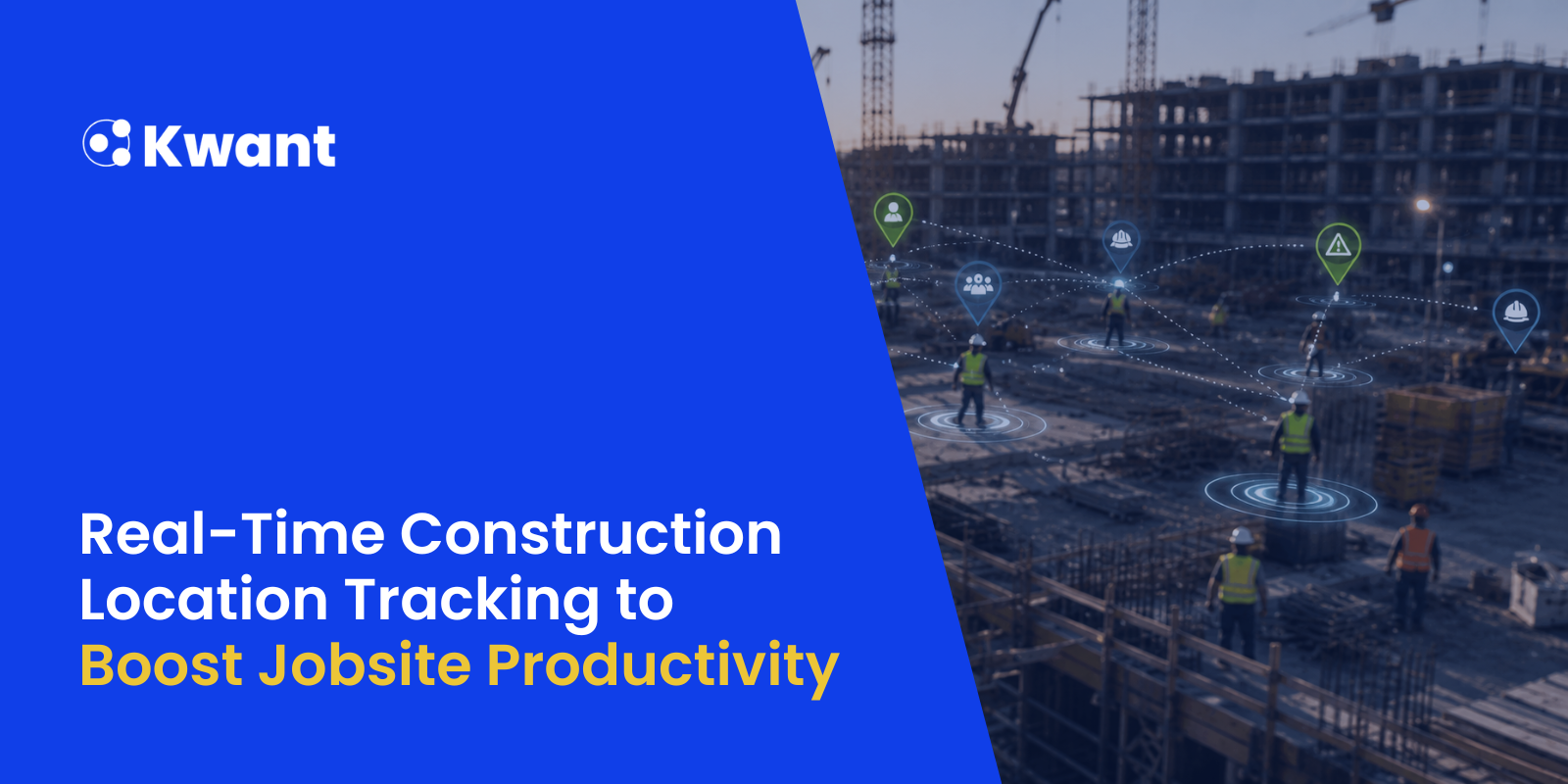
Real-time labor data helps teams identify stalled work, reassign resources, or escalate issues.
5. Detecting High-Risk Areas Early
AI highlights zones with safety risks, access problems, or slow progress.
Data Center Downtime Prevention: Practical Strategies
To avoid costly downtime and schedule disruption, contractors can apply the following strategies:
Connect Workforce Data With Schedules
Real-time manpower and task progress data make schedules more accurate and actionable.
Improve Communication Between Stakeholders
Digital tools ensure owners, GCs, and subcontractors stay aligned on priorities.
Use Digital Onboarding to Prevent Labour Bottlenecks
When workers are cleared faster, critical tasks start on time.
Automate Safety and Compliance
Automation reduces safety-related shutdowns and improves inspection readiness.
Track High-Risk Activities With Real-Time Alerts
Heatmaps and zone monitoring help prevent incidents and delays.
Data Center Construction Scheduling: Best Practices for 2025
As data centers scale in size and complexity, scheduling must evolve. Best practices include:
1. Build Dynamic Schedules
Static plans no longer work. Real-time data makes schedules adaptive and dependable.
2. Prioritize MEP and Commissioning Pathways
These paths determine whether the project will finish on time.
3. Integrate AI, IoT, and Workforce Data
When all data flows into one platform, planning becomes more accurate.
4. Increase Transparency Across Teams
Dashboards and live progress views keep everyone aligned.
5. Use Scenario Modeling
AI helps teams simulate workforce gaps, trade stacking, or material delays before they occur.
How Kwant Helps Keep Data Center Projects on Track
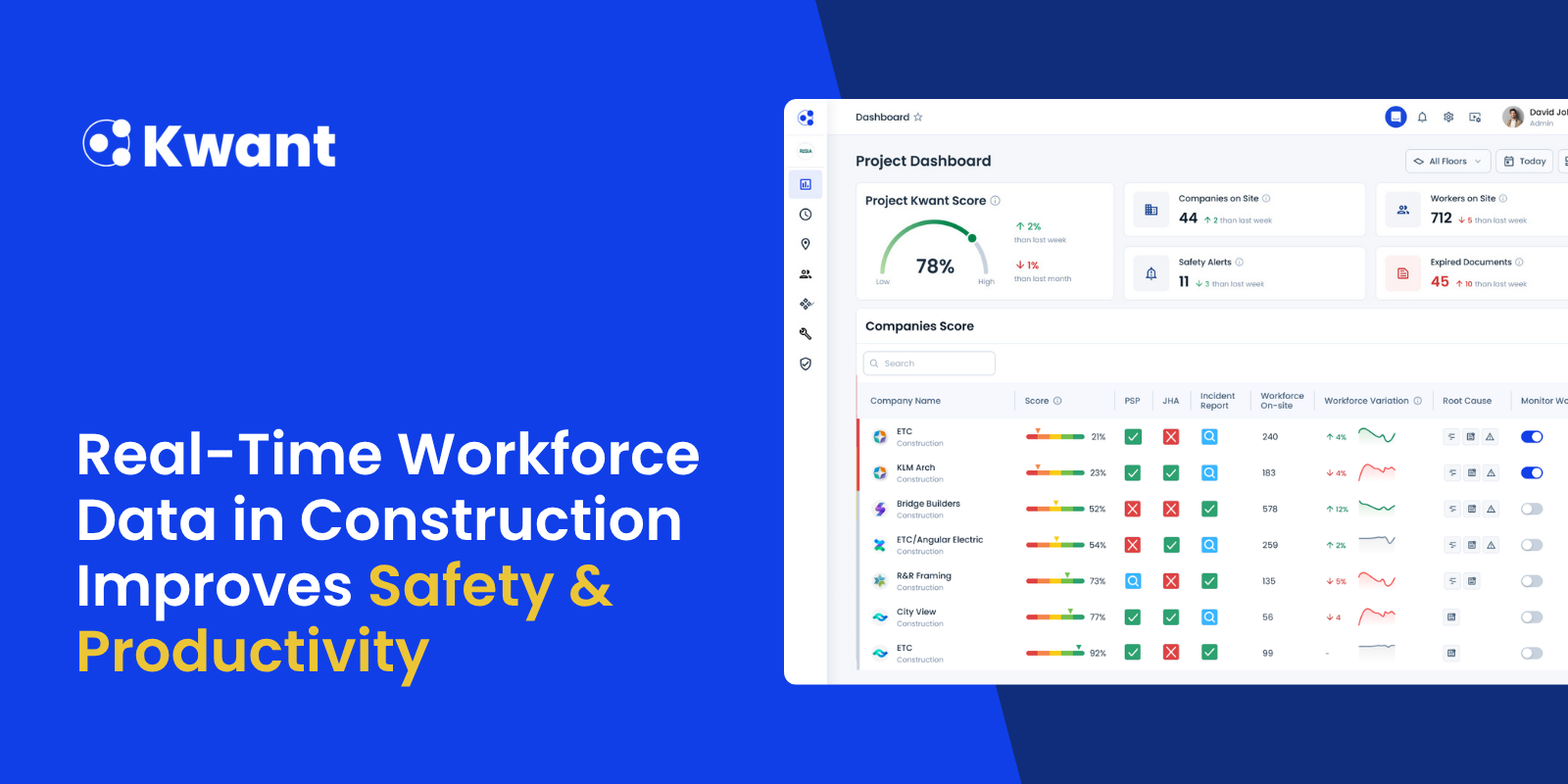
Platforms like Kwant’s WorkforceOS combine AI scheduling, real-time workforce visibility, and automated safety tools to reduce delays and prevent costly downtime on data center projects. By unifying access control, labor monitoring, scheduling insights, and safety automation, teams gain the visibility they need to deliver faster and more reliably.
Conclusion: Building Data Centers That Stay on Track
Data center construction is too fast-paced and complex to rely on outdated scheduling methods. By adopting AI scheduling, integrating workforce insights, and applying modern best practices, project teams can reduce delays, prevent downtime, and deliver world-class data centers on time.
Want to keep your next data center project on schedule? Book a demo with Kwant.
FAQs
1. How long does it take to build a data center, and what causes delays?
Most data centers take 18 to 24 months to build under normal conditions, but power availability constraints are pushing many projects to three to six years in established markets. The most controllable delay driver on the construction side is trade sequencing—when MEP and low-voltage work isn't coordinated through live scheduling, one slipped scope cascades across all dependent activities. AI scheduling tools that continuously reconcile workforce data against the master schedule are specifically designed to protect the portions of the timeline that can actually be managed
2. Why is precision scheduling especially critical for data center constructions?
Data centers are MEP-heavy, dependency-dense builds where power, cooling, and IT infrastructure must be installed and tested in sequence. A single slipped MEP task doesn't just delay that task—it can expose the entire commissioning pathway to risk. Traditional scheduling tools fail here because they rely on manual updates that lag behind actual field conditions. By the time a problem appears in a manually maintained schedule, it has already cascaded into multiple downstream activities.
3. What are the top causes of construction-stage downtime on data center projects, and how does AI address them?
Four failure modes account for most schedule loss: labor misalignment across MEP and low-voltage scopes, long-lead equipment gaps that stall installations without warning, safety incidents that trigger site-wide shutdowns, and scheduling blind spots that let issues compound silently. AI addresses each by optimizing trade sequencing, flagging procurement risks early, monitoring high-risk zones to prevent incidents, and keeping the schedule continuously reconciled against actual field progress rather than a last-week snapshot.
4. How does AI scheduling keep data center construction on track compared to traditional methods?
Traditional schedules reflect the project as it was at the last manual update—not as it is right now. AI scheduling continuously updates the plan from live workforce and task data, identifies which activities are statistically at risk before they fall behind, and optimizes trade staffing to prevent idle time and overcrowding. Kwant's platform delivers all of this in one dashboard, replacing subjective status reports with data-backed projections owners and investors can trust.
5. What practical steps can contractors take right now to reduce data center construction delays?
Five actions move the needle fastest: connect real-time workforce data to the master schedule, consolidate stakeholder communication on shared live dashboards, use digital onboarding to clear workers before critical-path scopes begin, automate safety compliance to prevent unexpected shutdowns, and deploy zone heatmaps to catch productivity and safety issues before they register as schedule loss. Kwant's Workforce OS covers all five in a single integrated platform—eliminating the manual reconciliation work that lets delays hide until they're too large to recover from.
6. How does Kwant's Workforce OS help contractors deliver data center projects on time?
Workforce OS unifies access control, real-time labor monitoring, AI scheduling insights, and safety automation into one platform—replacing the siloed reporting that prevents teams from seeing risk early enough to act. GCs can coordinate MEP and low-voltage trades using live location and headcount data, onboard subcontractor workers digitally without bottlenecks, and forecast commissioning risks weeks before final inspections. For data center builds where a six-month delay can cut project IRR nearly in half, that real-time visibility protects the investment case from day one of construction.
%20(1).svg)


