.svg)



Data center construction access control has evolved far beyond traditional badging and turnstiles. On today’s hyperscale worksites, managing thousands of workers requires real-time workforce visibility, automated compliance tracking, and integrated workforce analytics systems.
What Is Data Center Construction Access Control?
Data center construction access control refers to systems that manage, monitor, and secure workforce entry, movement, and zone permissions across active data center job sites. Modern systems combine badge authentication, real-time location tracking, compliance validation, and workforce analytics to ensure safety, security, and operational efficiency.
Why Access Control Matters More on Data Center Sites
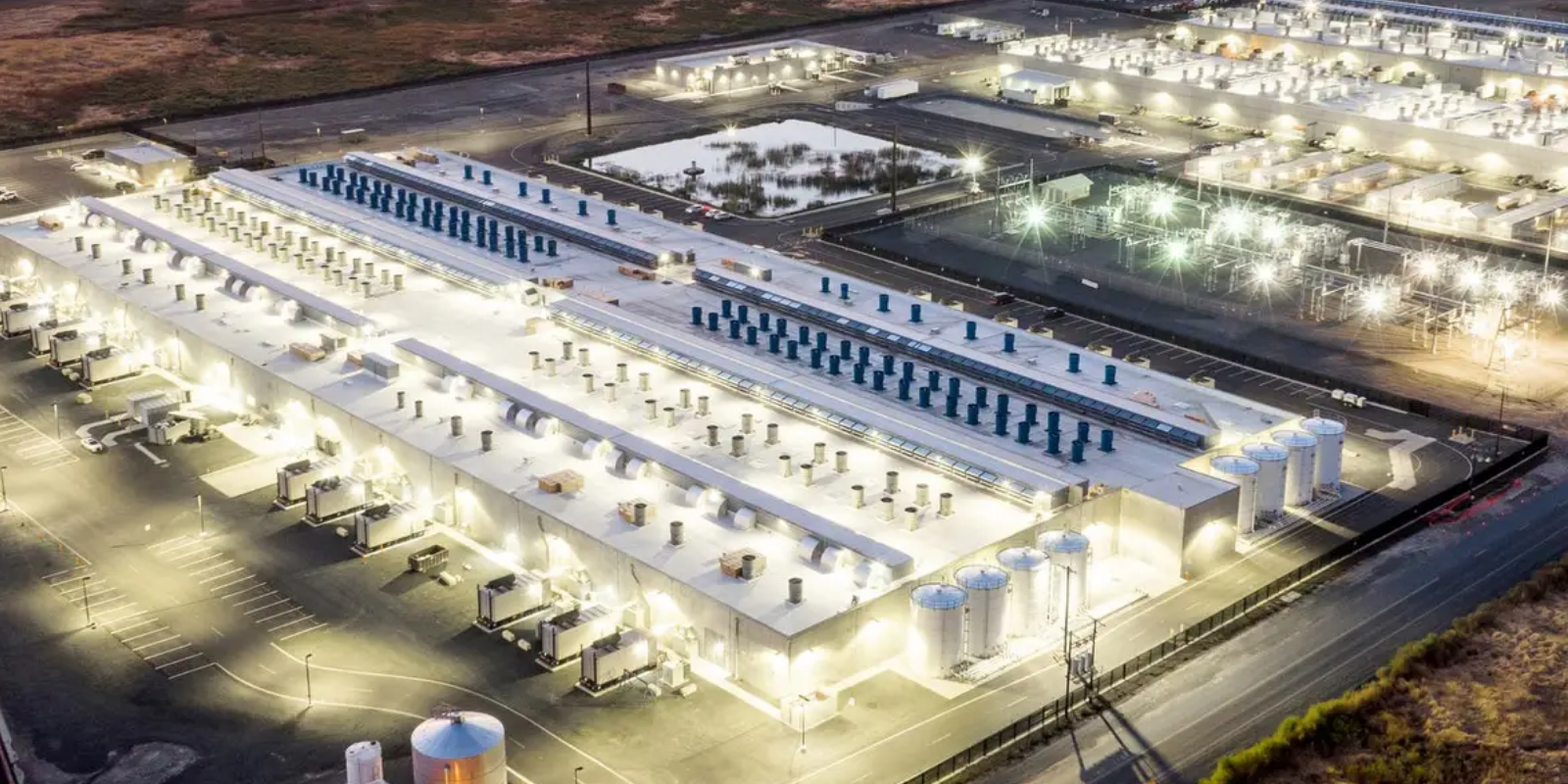
Data centers are powering some of the most critical systems in modern life. They support hospitals, emergency communications, financial networks, cloud infrastructure, and nearly every digital service people rely on every day. As demand accelerates, construction teams construction workforce access control solutions are under pressure to build faster, larger, and more securely than ever before.
At the same time, the scale of today’s data center construction sites has changed dramatically. According to DataBank’s 2026 construction outlook, peak crew sizes on single campuses have grown from roughly 750 workers to nearly 4,000–5,000 workers. In practical terms, that’s a small city entering and exiting a secure perimeter daily. Managing identity, safety, and compliance at that scale cannot rely on manual gate checks or paper logs.
This environment makes data center construction site access control a mission-critical function. High worker volume, multiple subcontractors, sensitive infrastructure, and strict security expectations demand more than simple badging. Construction workforce access control solution must support:
- Secure workforce access in data centers
- Compliance-driven access control for data centers
- Real-time accountability for thousands of workers
- Fast decision-making in emergencies
As a result, access control is no longer just about getting in the gate. It has become a central data source for workforce management, safety planning, and operational visibility.
The Early Stage: Traditional Badging and Turnstiles
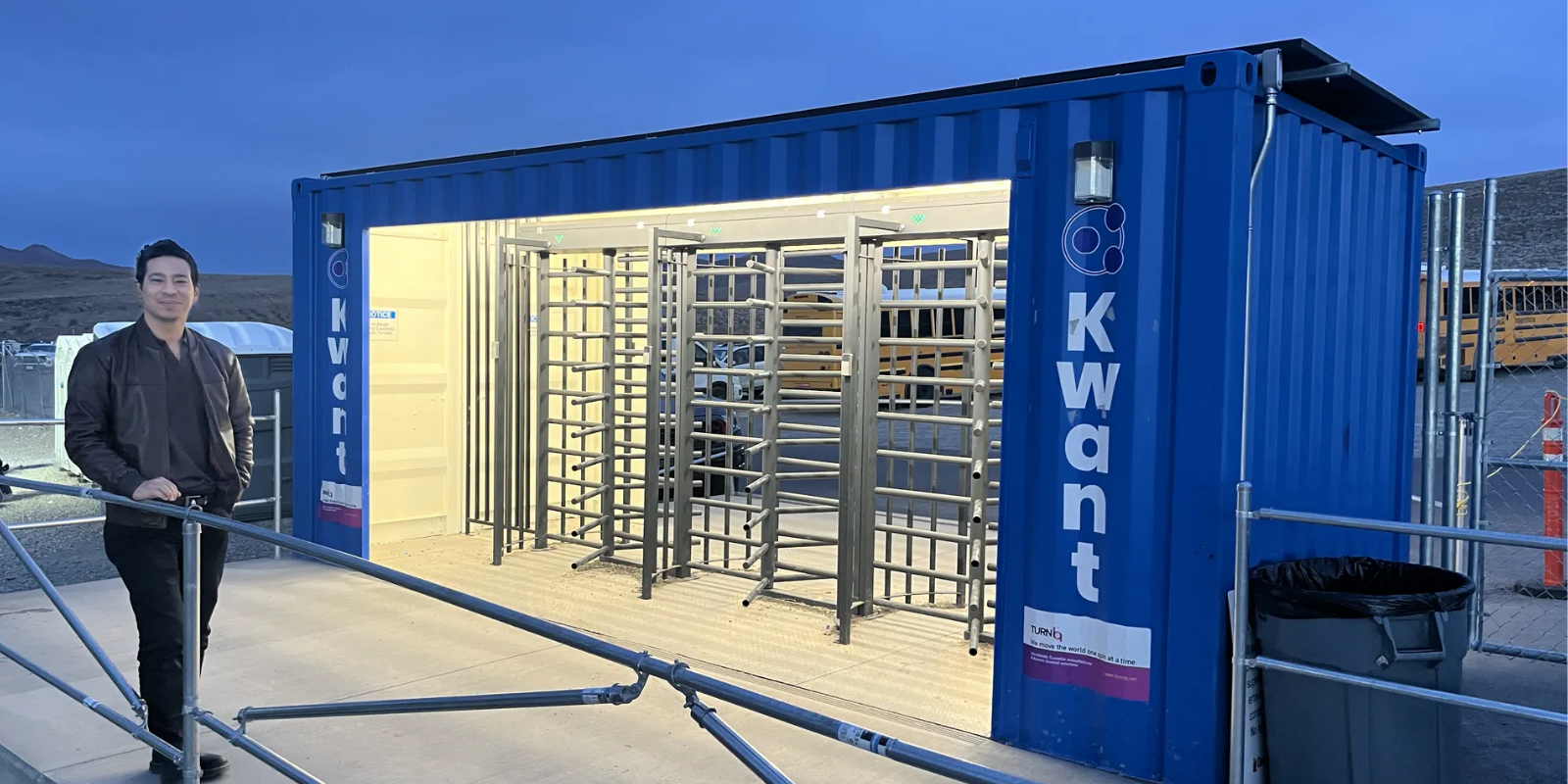
The first generation of access control for data center construction focused on a narrow mission: control entry and create a record of who came on site.
Legacy systems were designed to:
- Issue physical badges
- Log entry and exit times
- Restrict access to authorized personnel
- Support basic compliance documentation
These tools delivered important strengths. They created a traceable record, helped enforce credential checks, and improved perimeter security compared to manual sign-in sheets.
However, their limitations quickly became clear as projects scaled.
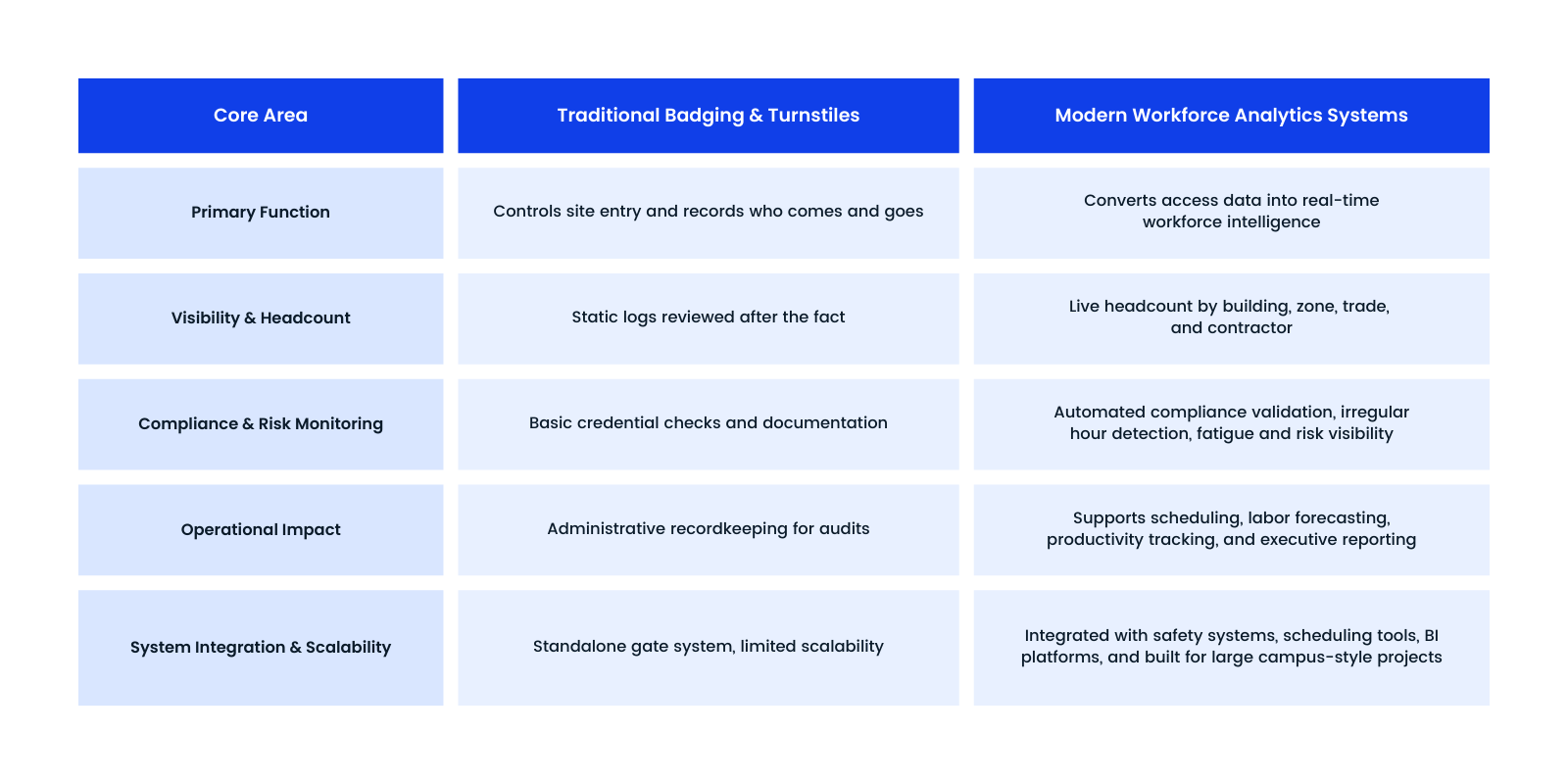
Traditional systems produced static data that required manual reconciliation. Logs were often reviewed after the fact, which meant teams had little real-time insight into what was happening on site. Questions like the following were difficult to answer quickly:
- How many workers are inside right now?
- Which trades are concentrated in a specific building?
- Are crews working outside approved hours?
- Is a restricted zone overcrowded?
Without live visibility, access data remained administrative rather than operational. It served audits, but it rarely informed day-to-day decision-making.
The Shift: From Access Logs to Real-Time Workforce Data
As data center builds expanded into multi-building campuses, the need for real-time intelligence grew. Construction leaders began to recognize that construction site access management systems could do more than secure the perimeter. They could act as live sensors for workforce activity.
Campus-style builds introduced new challenges:
- Simultaneous work across multiple structures
- High-density labor zones
- Overlapping contractor schedules
- Skilled labor shortages, requiring creative scheduling
- Tight critical path timelines
Project teams needed instant answers about headcount, location, and shift activity. That's why real-time location systems for workforce intelligence are now preferred in all modern workflow management adoption. Access events stopped being just records; they became operational signals.
Forward-thinking teams also began designing access systems with flexibility in mind. A scalable architecture made it easier to respond to emerging needs such as:
- Restricting access to sensitive areas
- Investigating vandalism or asset loss
- Supporting emergency muster planning
- Strengthening safety controls
By planning for expansion from the start, teams created systems that could grow with project complexity instead of being replaced midstream.
Data Center Site Access Control: Traditional vs Modern Comparison
Workforce Analytics Enters the Picture
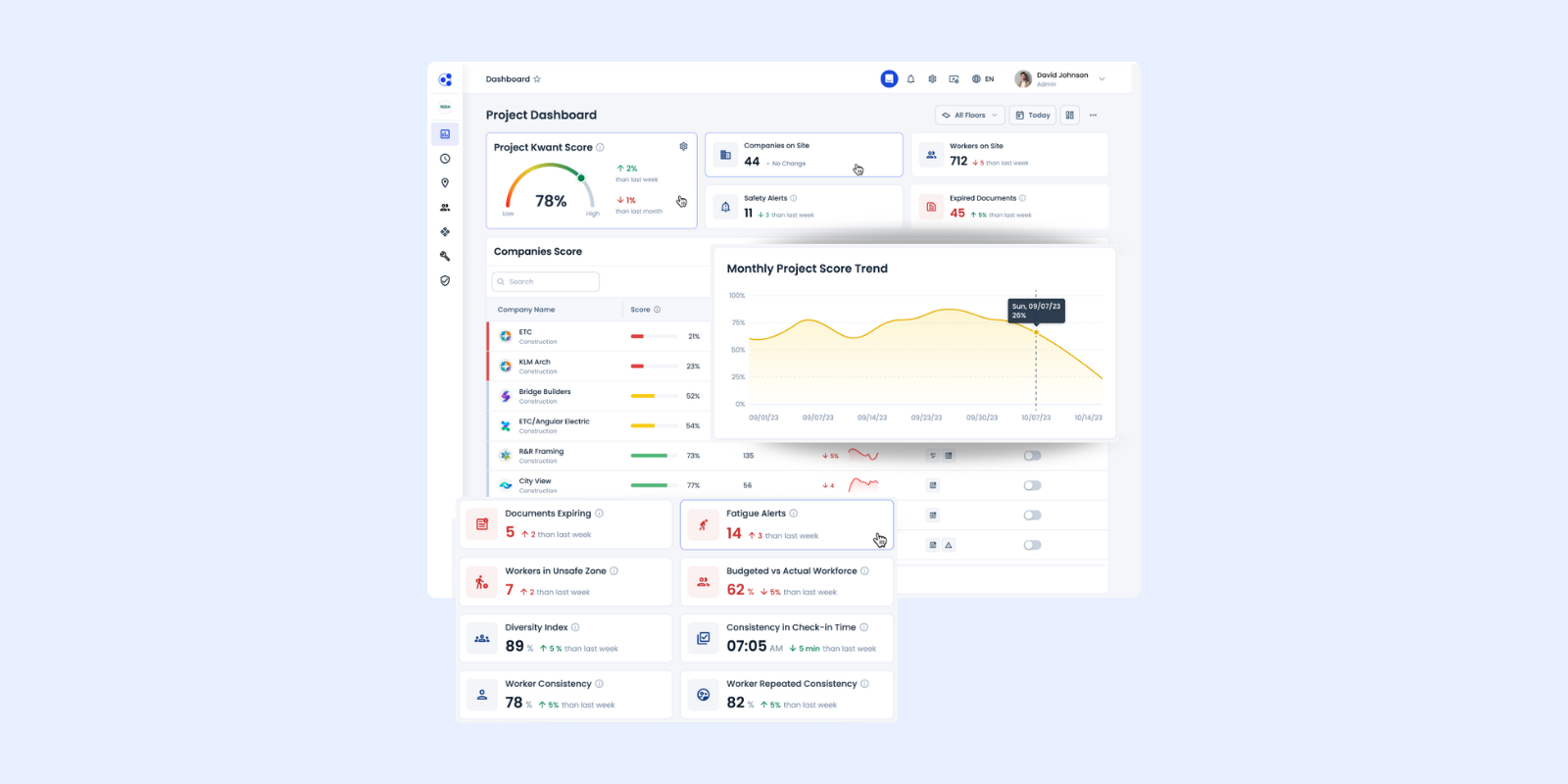
The next evolution happened when badge events were transformed into real-time workforce analytics and insights.
Instead of simply recording who entered the site, modern platforms began converting access activity into usable intelligence. This shift marked a turning point: access control became a workforce visibility tool.
Examples of insights that leading projects now use include:
- Real-time headcount by building or zone
An ENR Top 50 contractor uses live occupancy dashboards to balance labor density and reduce congestion risk in high-activity structures. - Trade and contractor distribution
A leading hyperscale data center developer tracks workforce mix by trade to align labor availability with schedule milestones. - Time-on-site patterns and anomalies
A major Canadian GC leverages custom dashboards to identify irregular work hours and compliance gaps before they become risks.
These insights matter because they directly support:
- Safer work environments
- Better schedule adherence
- Accurate labor reporting
- Faster incident response
- Stronger compliance documentation
When access data becomes analytics, it stops being passive. It starts guiding decisions.
Modern Data Center Construction Site Access Control
Today’s secure workforce access in data centers depends on systems that are real-time, integrated, and scalable; known as Construction Workforce OS.
Modern access control is no longer defined by hardware alone. It is defined by how data flows into the broader project ecosystem. Leading teams expect access platforms to integrate with:
- Safety management systems
- Scheduling tools
- Daily reporting workflows
- Business intelligence platforms like Power BI
This integration removes manual tasks from field teams and ensures workforce data automatically supports reporting and planning.
Equally important, automation and AI are beginning to interpret workforce signals at scale. Instead of reviewing spreadsheets, teams can surface patterns, exceptions, and risks automatically. That shift reduces administrative burden while increasing situational awareness.
In high-pressure data center projects, where timelines are compressed and margins for error are small, automation is becoming a practical necessity rather than a future luxury.
What Data Center Teams Should Expect Going Forward
Access control is increasingly becoming the foundation of workforce management.
Future-ready teams should expect their access systems to align directly with safety, scheduling, and compliance workflows. Rather than operating as a siloed security tool, access control should feed a shared intelligence layer that supports:
- Labor forecasting
- Emergency preparedness
- Productivity tracking
- Executive reporting
Workforce analytics is rapidly becoming a baseline expectation on large data center builds. Owners and GCs want predictable delivery, and predictable delivery requires visibility into labor movement and availability.
As projects grow larger and more geographically distributed, the ability to standardize access data across campuses will also become essential. Consistency enables benchmarking, portfolio-level insights, and better long-term planning.
Closing: Access Control as a Strategic Asset
Modern data center construction access control systems now function as workforce intelligence platforms.
Access control alone cannot generate full workforce intelligence. However, when access data is combined with equipment feeds, partner systems like United Rentals and ZKTeco, weather inputs, and on-site sensor data, it becomes part of a larger decision engine. Platforms that aggregate multiple data streams translate raw signals into outcomes that support safety, productivity, labor visibility, and executive decision-making.
This evolution is especially impactful in the data center sector. These projects are complex, fast-paced, and led by some of the most advanced general contractors in the world. At the same time, labor shortages and resource constraints increase pressure on every project team. Technology is no longer optional in this environment. It is required to protect workers, preserve schedules, and reduce risk on the critical path.
This is where a modern construction workforce management platform like Kwant plays a critical role. Kwant connects access control data with partner integrations, IoT sensors, environmental inputs, and AI-driven analytics to give teams a unified picture of their workforce. Instead of isolated security logs, teams gain actionable intelligence that supports safer sites, stronger productivity, and better executive decisions.
If your data center project is still treating access control as a gate function instead of a workforce intelligence system, it may be time to rethink the strategy. Explore how Kwant helps leading contractors transform site access into real-time workforce analytics and measurable operational advantage. Schedule a demo to evaluate real-time dashboards, compliance automation, and campus-level workforce analytics.
FAQs
1. What is the evolution of access control in data center construction?
Access control has evolved from traditional badge systems that only logged entry/exit to modern solutions that provide real-time workforce visibility, compliance tracking, and analytics, supporting safer, faster, and more data-driven project delivery.
2. Why is real-time workforce data essential on large data center job sites?
Large data center projects involve thousands of workers across multiple zones. Real-time data enables teams to instantly see headcounts, zone occupancy, trade distribution, and compliance status — information that static logs cannot provide.
3. What limitations do traditional access logs have for construction operations?
Traditional access logs often require manual reconciliation, lack real-time visibility, and don’t integrate with safety or scheduling systems — which limits decision-making and increases risk on dynamic job sites.
4. How do modern access control systems support operational decisions?
By converting badge and access events into analytics, modern systems help project teams understand labor distributions, detect anomalies, support emergency planning, and align workforce movement with schedules.
5. What role do workforce analytics play in job site safety and compliance?
Workforce analytics provide insights into who is on site, where they are, whether they are certified, and if they are working within approved hours — helping teams maintain compliance and reduce safety risks.
6. Can access control data be integrated with other project management tools?
Yes — modern access control platforms integrate with safety management, scheduling tools, reporting systems, and business intelligence platforms to reduce manual work and create holistic operational insights.
7. How does access control serve as a foundation for workforce intelligence?
Access control generates structured, real-time workforce signals that feed analytics engines and dashboards. This data becomes the basis for forecasting labor shortages, identifying bottlenecks, and improving executive decisions.

%20(1).svg)


