.svg)

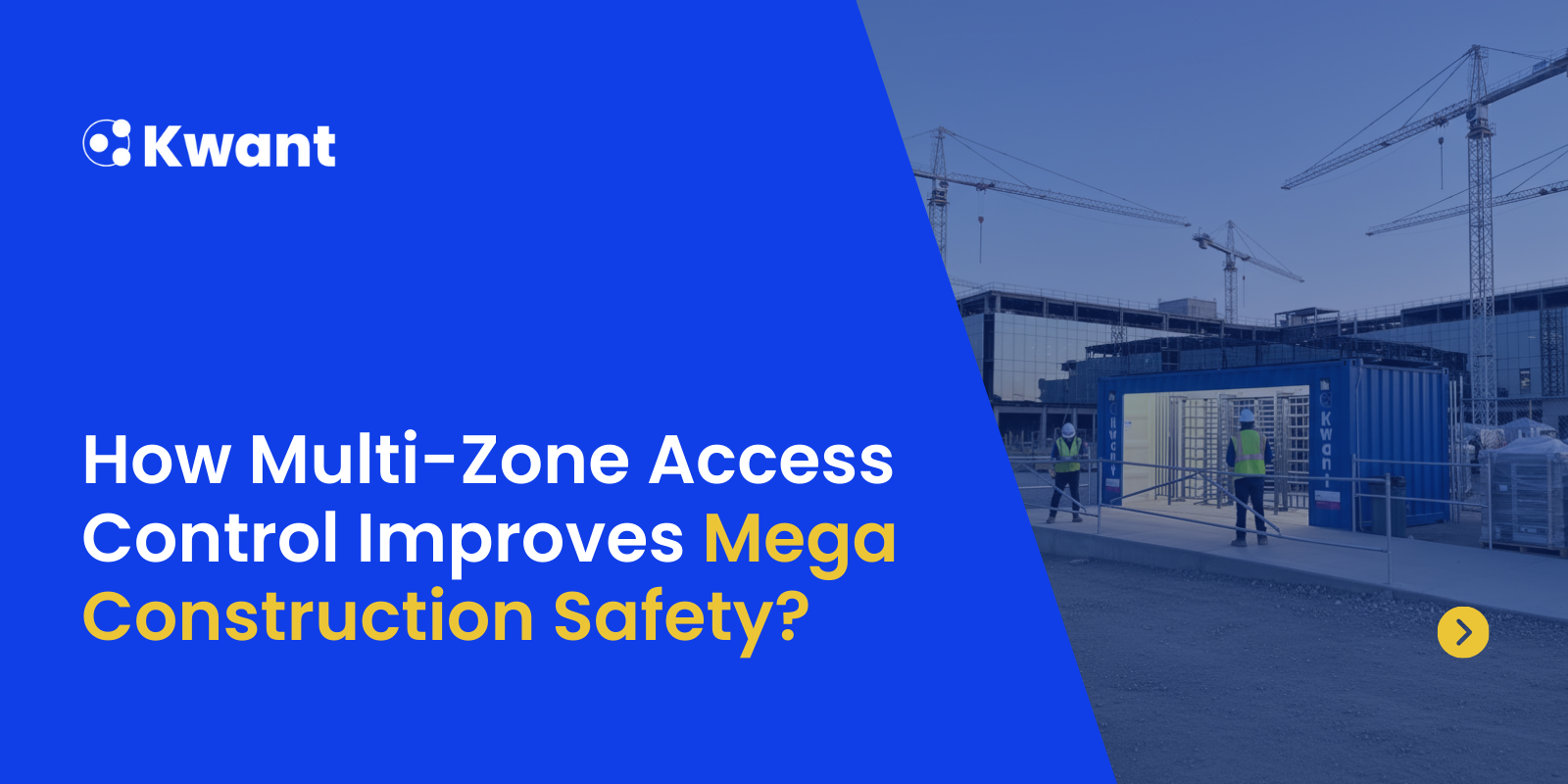


Mega construction projects are some of the most complex environments in the world. They involve tens of thousands of workers, multiple contractors, evolving safety risks, and enormous schedules. With so many moving parts, even one bottleneck, like access control, can create safety hazards, slow progress, and inflate costs.
This article explores how modern access control systems help construction leaders manage multi-zone environments with accuracy, speed, and confidence.
Why Access Control Becomes a Challenge in Mega Construction Projects
Managing access for a small job site is difficult. Managing access for a mega project is an entirely different challenge.
These projects often include:
- Multiple entrances spread across miles
- High-risk zones, secure areas, and contractor-specific work zones
- Thousands of workers rotating daily
- Layers of subcontractors, each with unique compliance needs
The bigger the project, the harder it becomes to maintain security, safety, compliance, and productivity at the same time. Manual check-ins, paper badges, spreadsheets, and inconsistent processes simply cannot scale.
As a result, project executives and safety managers face increasing pressure to adopt reliable workforce access control systems that centralize data, automate decision-making, and provide real-time visibility.
The Role of a Modern Workforce Access Control System
Access control used to be simple: badges, gates, paper logs, and security guards. But today, projects demand much more.
A modern workforce access control system must provide:
- Accurate identity verification at every entry point
- Real-time workforce visibility across all zones
- Automated compliance checks for certifications and training
- Digital records for audits and insurance
- Integration with scheduling, safety, and project management workflows
In mega projects, a construction site access control platform becomes the “source of truth” for workforce movement, hours, and safety status.
Multi-Zone Access Control in Construction: Why It Matters
Mega projects operate more like small cities than job sites. Instead of one gate, they include dozens of access points and multiple zones that separate:
- High-risk work areas
- Confined spaces
- Elevated work platforms
- Equipment-heavy zones
- Security-sensitive areas
- Specialized trade work packages
Multi-zone access control construction ensures that workers enter only the zones they are trained and authorized for. This improves:
- Safety — keeping unqualified workers out of hazardous zones
- Efficiency — reducing congestion and bottlenecks
- Compliance — maintaining accurate labor hours and access logs
- Coordination — aligning workforce movement with schedule sequencing
Without a proper system, workers may roam between zones, skip checkpoints, or enter high-risk areas without clearance leading to incidents, rework, and lost productivity.
Key Features of an Effective Construction Site Access Control Platform
When evaluating an access control solution for mega construction projects, the following features matter most:
1. Digital Onboarding and Credential Validation
Workers can complete paperwork, upload IDs, and submit certifications before arriving onsite. This reduces delays, ensures proper approvals, and avoids compliance gaps.
2. Hardware-Backed Access Points
Mega projects often use a mix of:
- Turnstiles
- Facial recognition stations
- BLE, RFID, or LoRaWAN smart badges
- Wearables
- Handheld scanners
- IoT-enabled gates
Each access point creates a digital record of workforce movement.
3. Automated Logs and Audit Trails
Every entry and exit is time-stamped and recorded. This supports:
- Daily reporting
- Payroll verification
- Labor forecasting
- Contractor billing
- Insurance audits
4. Zone-Based Permission Controls
Access rules can be set by:
- Worker role
- Trade or subcontracto
- Training and certifications
- Scheduled tasks
- Proximity to hazards
5. Real-Time Dashboards and Alerts
Project leaders need visibility across all access points, including:
- Workforce counts per zone
- Current active trades
- Overcrowded areas
- Unauthorized access attempts
- Environmental risk alerts (noise, heat, air quality)
6. Integrations With Workforce and Safety Platforms
Access control works best when it is part of a larger digital ecosystem connected to reporting, safety management, AI-driven insights, and scheduling tools.
Mega Project Access Management: Best Practices for 2025 and Beyond
As mega projects grow larger and more complex, access management must advance. The following practices help contractors maintain safe, efficient workflows.
Standardize Access Rules Across All Contractors
A consistent set of rules ensures fairness, clarity, and predictable movement patterns.
Use Role-Based and Zone-Based Permissions
Not every worker needs access to every area. Granular permissions reduce risk and congestion.
Monitor Zones in Real Time
Live dashboards help prevent overcrowding and give safety teams faster response capabilities.
Automate Compliance Checks Before Entry
Systems should verify training completions, certifications, and background requirements automatically.
Leverage Predictive Analytics
AI-powered insights can forecast risks related to workforce density, environmental conditions, or task sequencing.
Case Scenario: What Smooth Multi-Zone Access Control Looks Like
Imagine a mega project with 10,000 daily workers and 14 operational zones.
Morning Check-In
Workers enter through turnstiles using smart badges. Their access permissions are checked instantly. If a certification is expired, the system blocks entry and sends an alert.
Zone Movement
A mechanical contractor’s team is automatically routed to Zone 5, where they’re scheduled for the day. They cannot enter restricted high-risk zones without proper training.
Real-Time Visibility
Safety managers see worker density in each zone. Overcrowding triggers an alert before conditions become unsafe.
Compliance and Reporting
At the end of the shift, automated logs produce:
- Verified work hours
- Zone-level labor reports
- Safety compliance audits
- Contractor billing summaries
This is what efficient mega project access management looks like, simple, controlled, and data-driven.
Where Kwant Fits In
Kwant provides an integrated construction workforce management and access control platform used on some of the largest and most complex projects across North America. With smart badging, digital onboarding, AI-powered dashboards, and multi-zone visibility, Kwant helps general contractors streamline access, strengthen compliance, and improve workforce coordination.
Mega Project Scheduling: Lessons from Worlds's Largest Builds
Conclusion: One Platform, Many Zones; Building Safer, Smarter Mega Projects
Mega construction projects demand a unified approach to access control. By adopting modern tools, contractors can reduce risks, improve productivity, and maintain strong compliance across all zones. A single, scalable platform makes it possible to manage thousands of workers, dozens of access points, and complex workflows, without losing visibility.
Access control is no longer just about who gets in. It’s about building safer, smarter, more efficient mega projects.
Explore How Kwant Can Streamline Your Access Control Strategy
See how a unified platform can reduce risk, automate compliance, and improve workforce visibility across every zone. Book a demo with Kwant.
FAQs on Multi-Zone Access Control for Mega Construction Safety
1. Why is access control particularly challenging on mega construction projects?
Mega projects span large areas with multiple entrances, high-risk and secure zones, and thousands of rotating workers across layered subcontractors—each with unique compliance needs. Manual processes like paper badges, spreadsheets, and inconsistent check-ins don’t scale, making it hard to maintain security, safety, compliance, and productivity simultaneously. This drives the need for reliable, centralized workforce access control systems that automate decisions and provide real-time visibility.
2. What is multi-zone access control, and why does it matter for safety and productivity?
Multi-zone access control ensures that only trained and authorized workers can enter specific site areas (e.g., confined spaces, high-risk zones, equipment-heavy areas). It improves:
- Safety: Keeps unqualified personnel out of hazardous zones.
- Efficiency: Reduces congestion and bottlenecks at gates and within zones.
- Compliance: Maintains accurate access logs and labor hours for audits.
- Coordination: Aligns workforce movement with schedule sequencing to reduce rework and delays.
3. What key features should a modern construction site access control platform include?
Look for a platform that delivers:
- Digital onboarding and credential validation (pre-arrival paperwork, IDs, certifications).
- Hardware-backed access points (turnstiles, facial recognition, BLE/RFID/LoRaWAN smart badges, wearables, handheld scanners, IoT-enabled gates) that create digital movement records.
- Automated logs and audit trails (time-stamped entries/exits) supporting daily reporting, payroll, labor forecasting, contractor billing, and insurance audits.
- Zone-based permission controls (by role, trade/subcontractor, training/certifications, scheduled tasks, proximity to hazards).
- Real-time dashboards and alerts (workforce counts per zone, active trades, overcrowding, unauthorized attempts, environmental risks like noise/heat/air quality).
- Integrations with workforce, safety, reporting, AI insights, and scheduling tools to serve as a single source of truth.
4. What best practices help contractors manage multi-zone access on mega projects?
- Standardize access rules across all contractors for fairness and predictability.
- Use role-based and zone-based permissions so only the right people enter the right areas.
- Monitor zones in real time to prevent overcrowding and speed up response.
- Automate compliance checks before entry to validate training, certifications, and requirements.
- Leverage predictive analytics to anticipate risks from workforce density, environmental conditions, and task sequencing.
5. What does smooth multi-zone access control look like in practice, and how can Kwant help?
In a site with 10,000 workers and 14 zones, workers check in via smart badges at turnstiles; permissions are verified instantly, and expired certifications trigger blocked entry and alerts. Teams are routed to their scheduled zones and cannot enter restricted areas without proper training. Safety managers see live zone densities; overcrowding warnings prompt proactive action. End-of-shift automated logs produce verified hours, zone-level labor reports, compliance audits, and contractor billing summaries. Kwant supports this with an integrated construction workforce management and access control platform featuring smart badging, digital onboarding, AI-powered dashboards, and multi-zone visibility—helping general contractors streamline access, strengthen compliance, and improve coordination across complex North American projects.

%20(1).svg)


