

Construction safety is evolving. At Procore Groundbreak 2026, one message stood out: better safety outcomes depend on connected technology, better workforce visibility, and the ability to turn jobsite data into action.
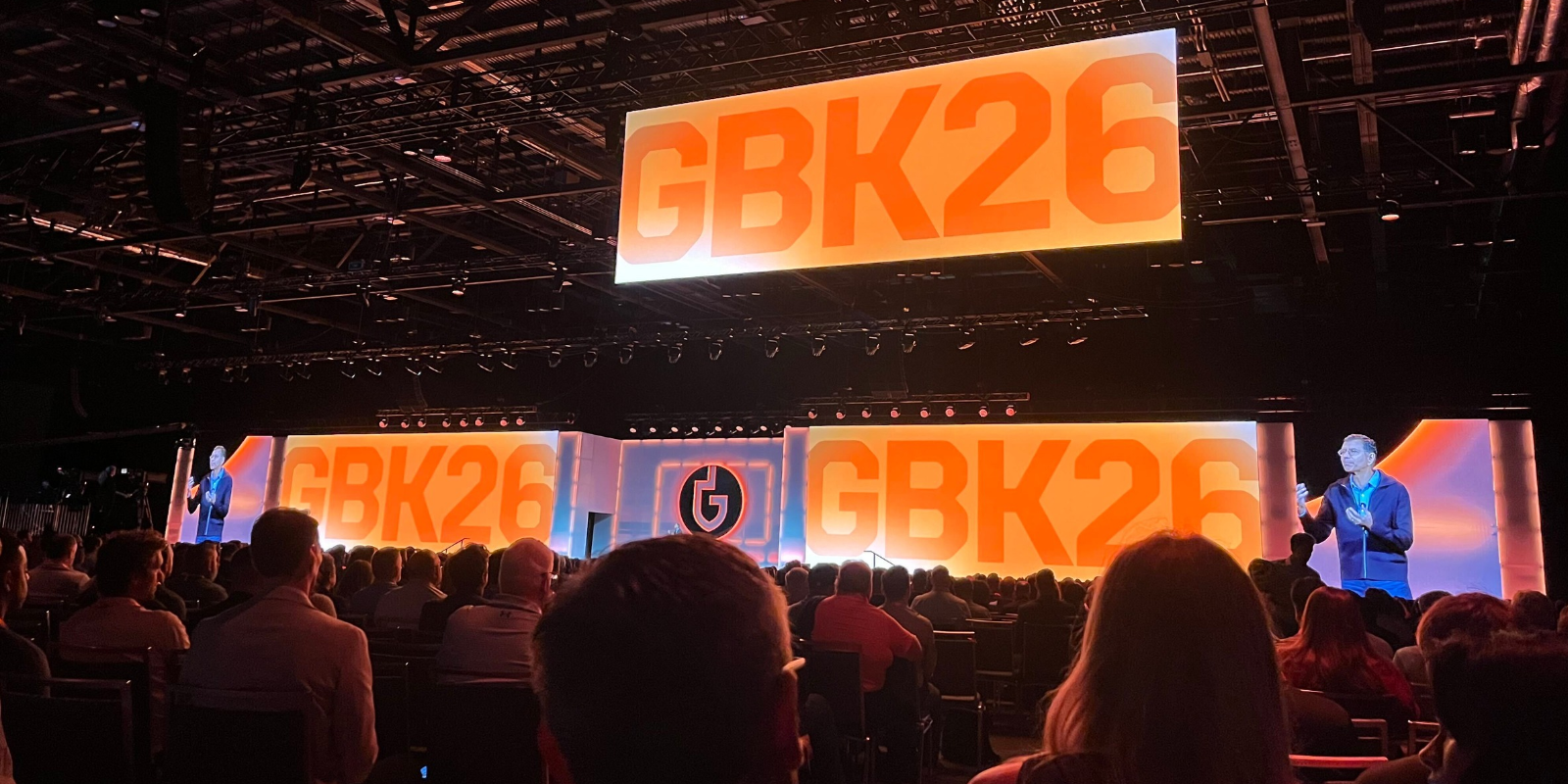
Procore Groundbreak 2026 brought together construction professionals, technology innovators, and industry leaders in Orlando, Florida, on October 20–22. This year's event highlighted the growing role of artificial intelligence, connected systems, and data-driven decision-making across the construction industry.
But beyond the technology announcements, an important question emerged: How can construction companies use these innovations to improve safety, reduce operational risks, and create better working environments?
For the Kwant team, the event was an opportunity to connect with general contractors, explore emerging technologies, and hear directly from industry professionals about the challenges shaping construction operations.
Across keynote presentations, industry discussions, and conversations with contractors and technology providers, one thing became clear: construction companies need more than new software. They need connected solutions that help them understand what's happening on the jobsite, identify potential risks, and make informed decisions before small issues become bigger problems.
Drawing on insights from Makenzie Eden and Joseph Cardozo, here are five key takeaways from Procore Groundbreak 2026 and what they mean for the future of construction safety and technology.
1. AI Is Moving From Adoption to Proactive Safety Intelligence
Artificial intelligence was everywhere at Groundbreak 2026. But the conversation has evolved.
The question is no longer simply whether construction companies are adopting AI. It's how they're connecting it across their systems and whether it's delivering meaningful value.
With nearly every technology provider introducing its own AI capabilities, contractors face a growing challenge: making these tools work together rather than creating another layer of disconnected systems.
As Makenzie observed, the real opportunity lies in connecting information across platforms, identifying patterns, and generating insights that help teams make better decisions.
This is particularly important for construction safety. AI can help teams move beyond reviewing incidents after they happen by making it easier to identify potential risks, recognize patterns, and understand changing jobsite conditions.
For example, connecting workforce information, safety documentation, and location data can give safety leaders a clearer picture of what's happening across their projects.
What this means for construction: AI should do more than automate administrative tasks. Its real potential lies in helping safety teams identify risks earlier, understand jobsite conditions, and make more proactive decisions.
2. Construction Context Is Essential to Better Safety Decisions
AI can process enormous amounts of information, but construction requires more than general-purpose answers.
Every project has its own workflows, workforce requirements, safety considerations, and operational challenges. Without understanding that context, even sophisticated AI tools can struggle to deliver meaningful insights.
Throughout Groundbreak, discussions reinforced the importance of applying AI to real construction scenarios. The opportunity is not simply to collect more information, but to connect data that has traditionally lived across separate systems and make it useful to the people managing projects.
Consider the information safety teams work with every day: worker qualifications, job hazard analyses, permits, safety orientations, incident reports, and workforce activity.
Individually, these records provide important information. Together, they can reveal patterns and potential gaps that might otherwise go unnoticed.
This is where construction-specific intelligence makes a difference. By understanding the relationships between different types of jobsite information, AI can help teams identify missing information, recognize potential risks, and make better-informed decisions.
What this means for construction: The most valuable safety technology will understand the realities of construction. Connecting workforce, safety, and operational data can help teams move from documenting compliance to actively improving safety management.
3. Connected Systems Can Close Critical Safety Gaps
One of the most consistent themes from conversations at Groundbreak was technology fatigue.
Construction companies already work with multiple platforms for project management, workforce administration, safety, payroll, reporting, and financial operations. Adding more software without connecting these systems can create additional complexity for already stretched teams.
Joseph noted that contractors are becoming increasingly selective about the technology they introduce. They want tools that solve specific problems, integrate with their existing systems, and deliver value without requiring major changes to established workflows.
Integration is no longer just a technical advantage. It's becoming an important part of the buying decision.
For construction safety, disconnected systems can make it harder to maintain a complete picture of jobsite activity.
Safety teams need to know who is on site, whether workers meet project requirements, where people are located, and how workforce activity changes throughout the day.
When access control, workforce management, safety documentation, and location information work together, teams gain a more complete understanding of jobsite conditions.
What this means for construction: Connected technology can help eliminate information gaps, reduce manual processes, and give safety leaders better visibility across their projects. The goal isn't to introduce more tools, but to make existing technology work together.
4. Measurable Safety Outcomes Matter More Than Technology Claims
Technology adoption comes with expectations, but construction companies remain practical about where they invest.
At Groundbreak, Joseph observed that some contractors are still skeptical about software ROI. General promises of increased efficiency or improved visibility aren't always enough to justify introducing another platform.
Decision-makers want to understand exactly how a solution will improve their operations.
Can it reduce time spent on manual safety processes? Can it improve compliance visibility? Will it help teams identify workforce risks or respond more effectively to changing jobsite conditions?
These questions highlight the importance of demonstrating value through real-world applications rather than broad technology claims.
They also reinforce another important observation: contractors are increasingly interested in solutions that address specific pain points and can be implemented without disrupting existing operations.
For safety leaders, the value of technology should be reflected in practical improvements, such as more consistent compliance tracking, faster access to safety information, improved workforce visibility, and better-informed risk management.
For technology providers, this means connecting product capabilities to measurable business outcomes.
What this means for construction: Demonstrating the impact of safety technology requires more than product features. Real-world use cases, measurable results, and customer examples are essential to showing how technology can improve everyday jobsite operations.
5. The Future of Construction Depends on Unified Jobsite Intelligence
Procore's expanding platform was another important theme at Groundbreak 2026.
The company showcased its continued investment in AI, including capabilities designed to interpret project documents, surface construction insights, and help teams access information more efficiently.
Its broader direction reflects a growing industry focus on connected construction technology, where project information can support better visibility and decision-making across the project lifecycle.
But a more connected project environment also highlights the importance of workforce intelligence.
Project management systems provide essential information about budgets, schedules, documents, and project execution. Understanding what's happening on the jobsite also requires visibility into the people doing the work.
Who is on site? Where are workers located? Are they cleared to work? Are safety requirements being met? What patterns could indicate operational or safety risks?
These questions are central to managing complex construction projects, yet workforce information often remains disconnected from broader project data.
Connecting workforce intelligence with the systems contractors already use creates an opportunity to close that gap and build a more complete picture of jobsite operations.
For safety leaders, this means having the information needed to understand conditions across a project, identify potential gaps, and make decisions based on more than isolated reports.
What this means for construction: The future of construction technology will depend on bringing project, workforce, and safety information together. The goal isn't simply to build a larger software stack, but to make the information within it more useful.
Building Safer Jobsites Through Connected Intelligence
Procore Groundbreak 2026 reinforced that construction technology is entering a new phase. AI is becoming more accessible, integrations are increasingly important, and contractors are looking for solutions that deliver measurable improvements.
But one priority remains at the center of construction operations: safety.
As projects become larger and more complex, safety teams need more than incident reports and disconnected compliance records. They need a clearer understanding of workforce activity, jobsite conditions, worker qualifications, and potential risks.
The opportunity is to bring this information together and use it to make more proactive decisions.
At Kwant, we believe better safety outcomes start with better workforce intelligence. By connecting workforce management, access control, location intelligence, safety automation, and AI-powered analytics, Kwant helps contractors gain visibility into their jobsites and turn information into actionable insights.
Because improving construction safety isn't just about knowing what happened. It's about understanding what's happening, recognizing what could go wrong, and giving teams the information they need to act.
The future of construction safety is connected, intelligent, and proactive.
See How Kwant Helps Build Safer, More Connected Jobsites
Kwant helps construction and industrial teams connect workforce and jobsite information through an AI-powered workforce intelligence platform.
From workforce visibility and access control to safety compliance, location intelligence, and AI-powered reporting, Kwant helps teams move beyond disconnected data and make better-informed decisions.
Ready to improve jobsite visibility and take a more proactive approach to construction safety?