.svg)



Turnaround events in oil refineries, petrochemical plants, and LNG facilities can involve 2,000–8,000 contract workers within a compressed 2–6 week window. In these environments, workforce coordination becomes a critical path risk—not just an administrative task.
For owners, EPCs, and general contractors, Workforce Tech for Turnarounds, Shutdowns & Major Maintenance Projects has become essential infrastructure. It ensures labor visibility, safety compliance, and operational control during periods when workforce volume and risk reach their peak.
Below, we break down why workforce technology is transforming turnaround execution—and what leaders should prioritize.
Why Turnarounds & Shutdowns Are Workforce-Intensive by Nature
Turnarounds are fundamentally different from routine operations. During steady-state production, workforce levels remain predictable. However, during a shutdown or major maintenance window, workforce counts can increase dramatically.
In many facilities:
- Workforce volume spikes 3–10x normal site levels
- Thousands of craft workers mobilize within days
- Multiple contractors arrive simultaneously
- Financial penalties for delays can reach millions per day
- Safety exposure increases due to congestion and fatigue
This surge creates a highly compressed operating environment. Supervisors must coordinate trades, manage entry points, validate certifications, and maintain safety compliance—all while racing against the restart deadline.
Manual systems—paper sign-in sheets, spreadsheets, disconnected badge systems—simply cannot scale under these conditions. As a result, organizations increasingly rely on turnaround and shutdown workforce technology to stabilize operations during peak labor surges.
The Hidden Risks of Manual Workforce Management During Turnarounds
When workforce numbers multiply, process gaps widen. What works for 300 workers rarely works for 3,000.
Badge Sharing & Access Control Gaps
Under pressure, supervisors may bypass controls. Shared badges and manual overrides compromise both security and safety.
Incomplete Onboarding & Credential Verification
Manual credential checks often result in expired certifications or incomplete documentation slipping through unnoticed.
Long Gate Lines & Productivity Loss
Without digital pre-processing, first-day mobilization creates hours-long gate lines. Multiply those delays across thousands of workers, and the lost productivity becomes significant.
Inaccurate Emergency Headcounts
In an evacuation scenario, knowing exactly who is onsite—and where they are located—is critical. Manual logs cannot deliver real-time accountability.
Compliance Reporting After the Project
Following the shutdown, owners must produce documentation for audits and regulatory review. Paper-based records create unnecessary risk and administrative burden.
These challenges underscore the need for structured workforce management in oil and gas maintenance environments—especially during high-intensity windows.
What is a Turnaround workforce management software
Turnaround workforce management software is a digital system that manages contractor onboarding, access control, certification compliance, real-time headcount visibility, and safety monitoring during refinery and industrial shutdown events.
Why This Matters During Turnarounds
- Manual onboarding creates first-day gate bottlenecks.
- Paper-based compliance increases safety exposure.
- Visual badge checks allow credential gaps to slip through.
- Spreadsheet tracking cannot provide real-time emergency accountability.
By contrast, a structured workforce platform like Kwant WorkforceOS centralizes onboarding, access control, safety compliance, and workforce analytics into a single system designed to handle sudden labor surges without slowing operations.
What Workforce Tech Should Deliver During a Turnaround
Effective major maintenance project labor tracking systems go far beyond timekeeping. During turnarounds, workforce technology should deliver five core capabilities:
- Rapid digital onboarding before arrival
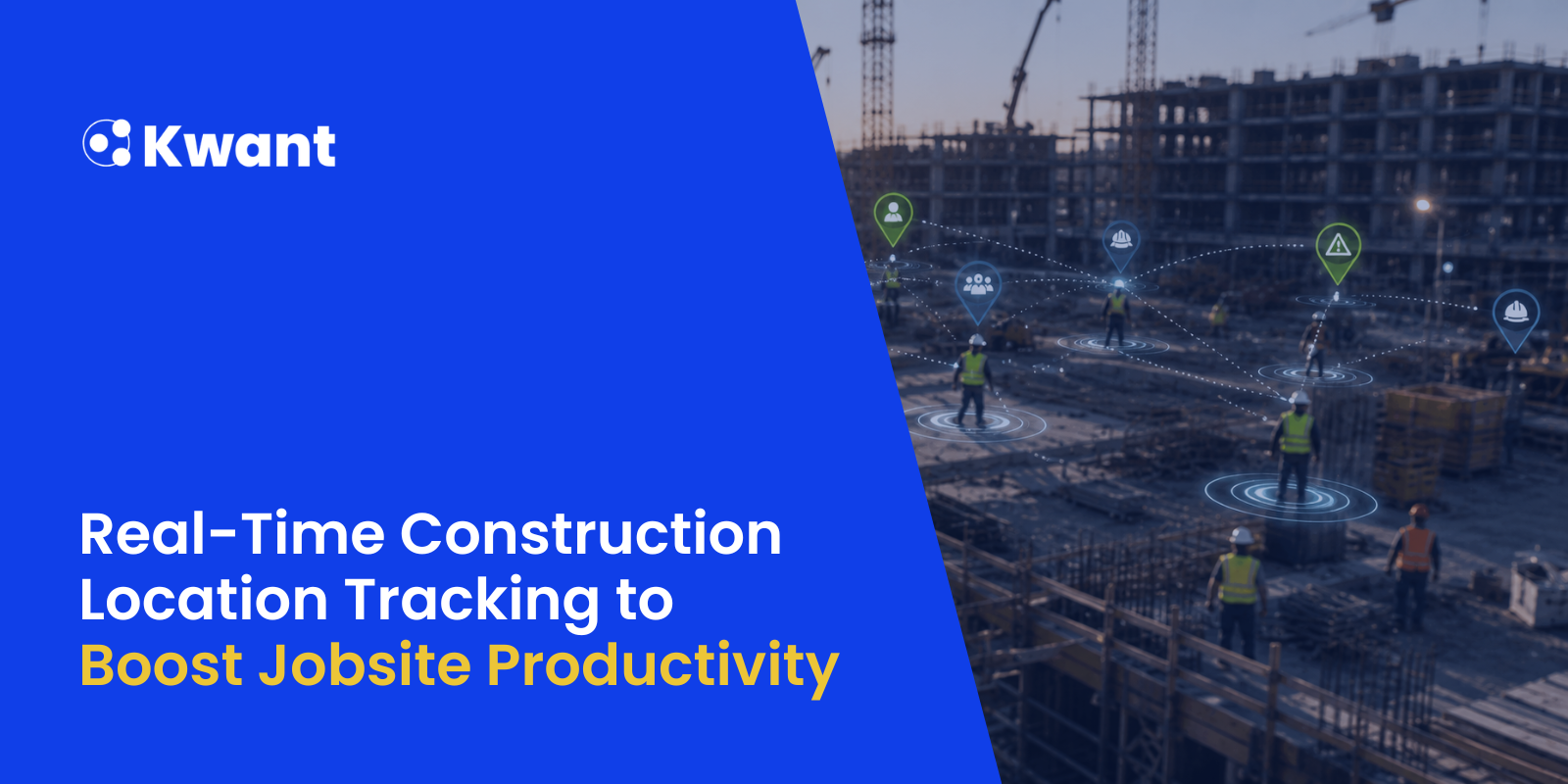
- Real-time workforce visibility across zones
- Automated training and certification validation
- Seamless integration with access hardware
- Live dashboards for owners, EPCs, and safety leaders
Most importantly, the system must handle sudden workforce spikes without slowing down gate throughput or safety checks.
Digital Onboarding at Scale: Eliminating First-Day Bottlenecks
The first day of a turnaround often determines whether the schedule holds. If onboarding slows down, the entire timeline compresses further.
Modern turnaround workforce systems allow:
- Pre-arrival credential uploads
- Automated document validation
- Digital safety orientation completion
- Contractor self-service portals
- Instant badge activation upon approval
Digital onboarding at scale results, check-in times shrink from hours to minutes. Workers arrive pre-approved, credentials verified, and orientation complete. Gate teams focus on confirmation—not paperwork.
This proactive model eliminates bottlenecks and accelerates mobilization, which is critical when downtime costs millions per day.
Real-Time Workforce Visibility: Who’s Onsite, Where, and Why
High-density environments demand real-time insight. Leaders need to answer critical questions instantly:
- How many workers are onsite right now?
- Which contractors are present?
- Where are specific trades deployed?
- Are any zones approaching unsafe density thresholds?
With real-time workforce visibility in shutdowns, leaders gain:
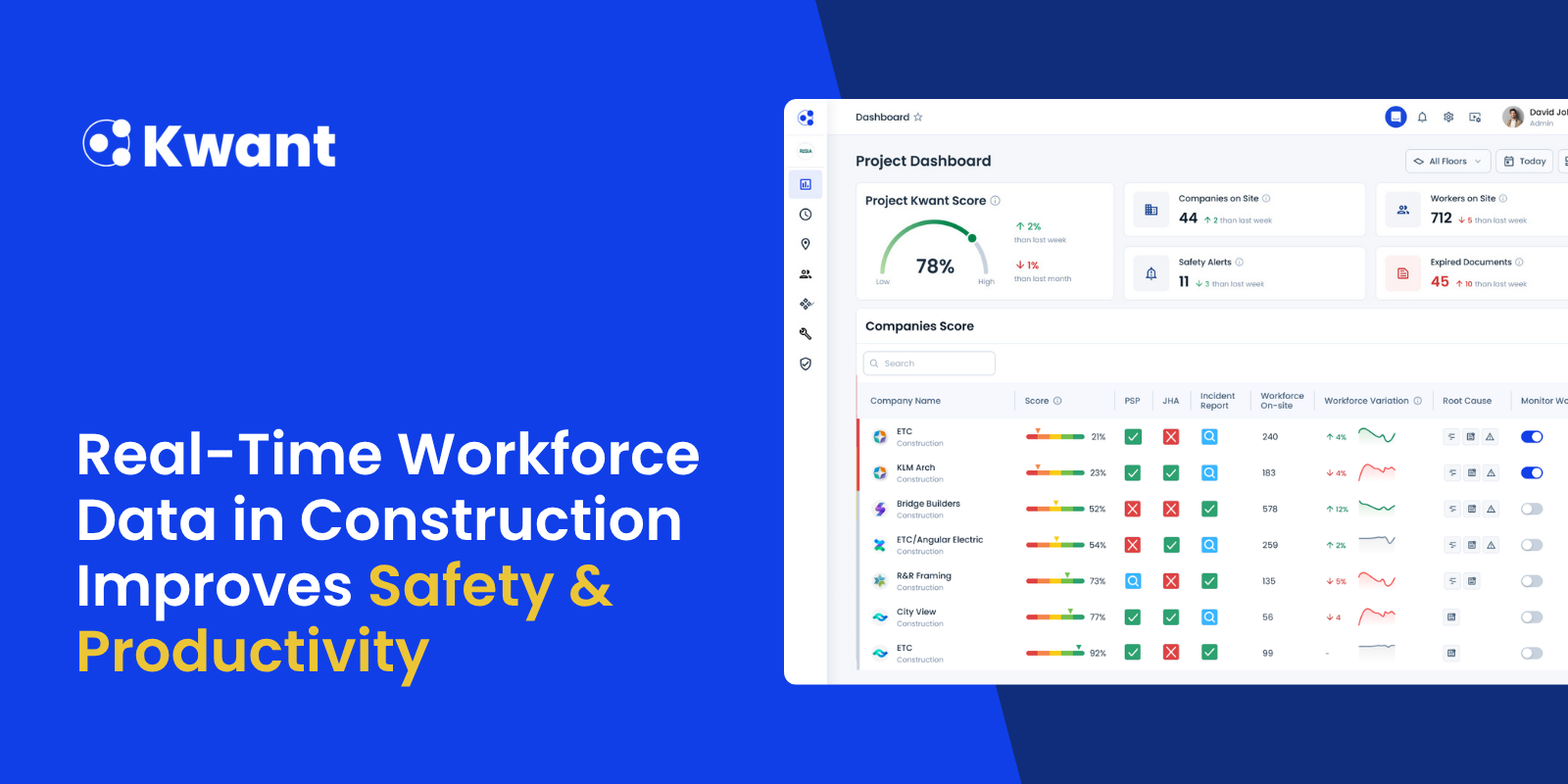
- Live headcount dashboards
- Trade- and contractor-level breakdowns
- Zone-based heatmaps for congestion monitoring
- Shift tracking with fatigue indicators
- Owner-level transparency across all contractors
This visibility supports safer planning, better coordination between trades, and faster response during emergencies.
Smart Access Control: Managing Entry During Peak Workforce Surges
Entry points become pressure points during turnarounds. Hundreds of workers may arrive within short windows.
Modern contractor tracking in oil and gas environments integrates:
- Smart badges or facial recognition
- Turnstile and handheld scanner integrations
- Geo-fenced restricted areas
- Automatic denial for expired certifications
- Accurate digital mustering during evacuations
By automating access approvals, organizations reduce human error and prevent unauthorized or under-qualified workers from entering restricted zones.
Moreover, digital mustering dramatically improves emergency response accuracy compared to clipboard-based methods.
Safety & Compliance Automation Under Compressed Timelines
Turnarounds increase exposure to high-risk activities such as confined space entry, hot work, and heavy equipment operation.
Advanced oil and gas workforce safety technology enables:
- Real-time compliance tracking
- Automatic certification expiration alerts
- Digital incident reporting and investigation logs
- Mass communication alerts for emergencies
- Audit-ready OSHA documentation
Instead of reacting to paperwork gaps after the fact, safety teams monitor compliance in real time. This shift from reactive to proactive oversight reduces risk and strengthens audit readiness.
Workforce Data for Better Turnaround Planning
Every turnaround generates massive workforce data. Capturing and analyzing that data provides a competitive advantage for future projects.
With structured workforce systems, organizations can evaluate:
- Historical labor trends for improved forecasting
- Contractor productivity comparisons
- Overtime and fatigue risk patterns
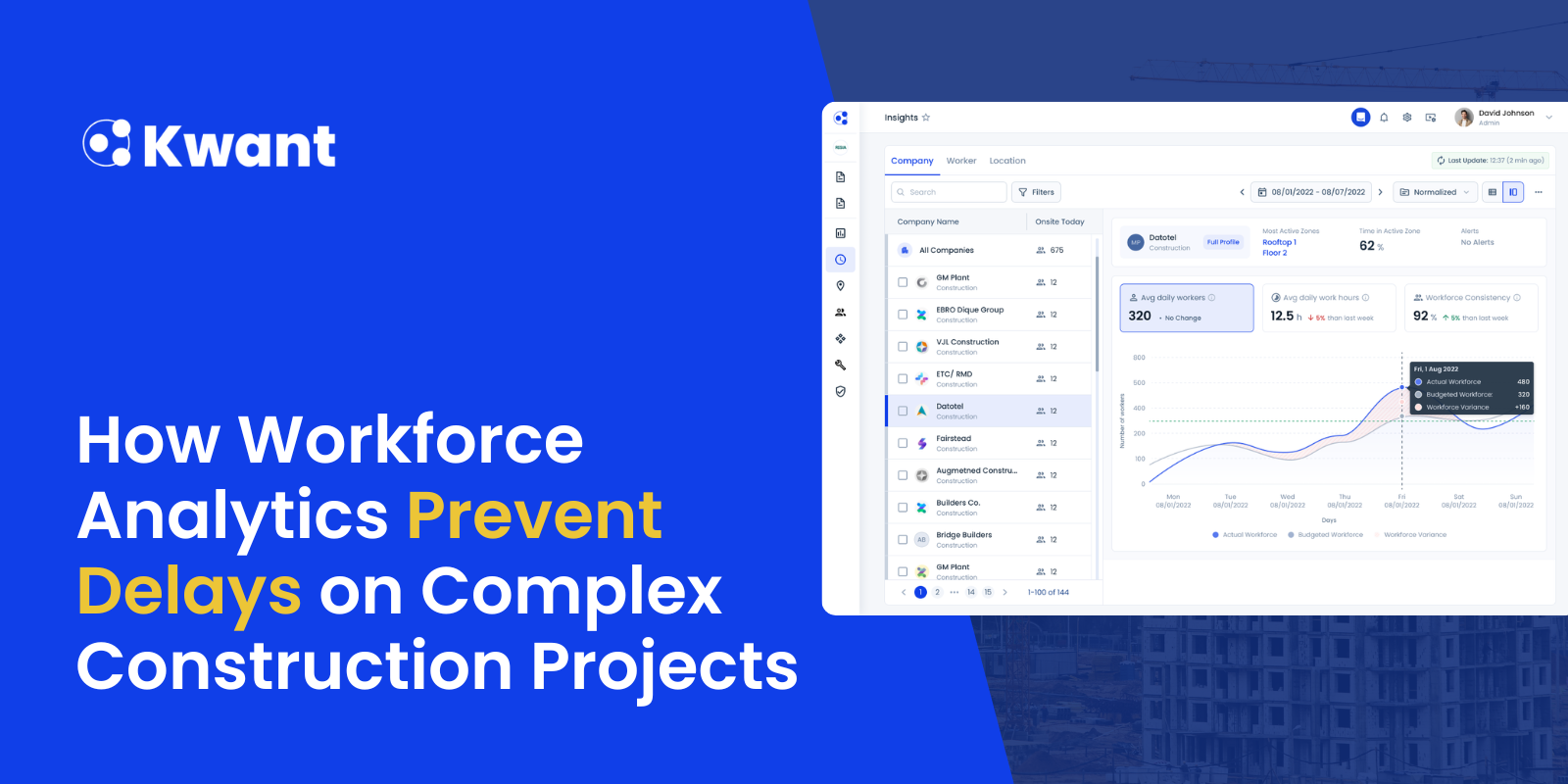
- Workforce density analytics
- Post-project performance metrics
Over time, this data improves cost control, contractor selection, and schedule accuracy. Turnarounds become more predictable and less reactive.
Manual vs Digital Turnaround Workforce Management
Turnarounds, shutdowns, and major maintenance events place extreme pressure on workforce coordination. The difference between manual processes and a unified workforce platform becomes highly visible during high-density mobilization windows.
The ROI of Workforce Tech for Turnarounds & Shutdowns
The financial impact of downtime makes workforce technology a strategic investment.
Organizations report measurable improvements such as:
- Faster gate processing and reduced queue times
- Lower compliance exposure
- Reduced administrative workload
- Stronger schedule adherence
- Improved owner oversight and reporting transparency
Even modest efficiency gains can protect millions in restart costs. Therefore, workforce tech often pays for itself within a single turnaround cycle.
How Kwant Powers WorkforceOS for High-Intensity Projects
High-intensity energy projects require unified systems. Kwant’s WorkforceOS brings together access control, safety automation, digital onboarding, and workforce analytics into a single platform designed for complex construction and oil and gas environments.
With AI-powered dashboards, zone-based intelligence, automated daily reporting, and integration with site hardware such as turnstiles and handheld scanners, project leaders gain real-time command visibility across thousands of workers.
For owners and EPCs managing large contractor ecosystems, this unified workforce platform eliminates blind spots and strengthens schedule control during critical maintenance windows.
Planning an upcoming turnaround or shutdown? Explore how modern workforce technology can reduce mobilization delays, improve compliance visibility, and protect your schedule.
The Future of Turnaround Workforce Management
Looking ahead, digital systems will become the standard for shutdown execution.
Emerging trends include:
- AI-driven predictive risk scoring
- Integration with IoT sensors and smart wearables
- Contractor benchmarking across projects
- Automated fatigue detection alerts
- Data-driven workforce density optimization
In the near future, manual workforce coordination during turnarounds will be viewed as an avoidable risk.
Ultimately, Workforce Tech for Turnarounds, Shutdowns & Major Maintenance Projects is not just about digitization—it’s about operational control. As turnaround events grow more complex, workforce visibility, automation, and predictive insight will determine which projects restart on time and which struggle under preventable delays.
Frequently Asked Questions (FAQ)
1. What is turnaround workforce management software?
Turnaround workforce management software is a digital system designed to manage contractor onboarding, certification compliance, access control, labor tracking, and real-time workforce visibility during shutdown and maintenance events. Instead of relying on paper logs and disconnected tools, platforms like Kwant WorkforceOS centralize workforce data into one system. This allows owners, EPCs, and general contractors to monitor headcount, validate credentials, manage access hardware, and generate audit-ready documentation during high-intensity maintenance windows.
2. How does workforce technology reduce shutdown delays?
Workforce technology reduces delays by eliminating onboarding bottlenecks, automating compliance verification, and improving gate throughput. Pre-arrival credential uploads and digital safety orientations reduce first-day congestion. Integrated access control ensures only compliant workers enter restricted areas. Real-time workforce visibility helps leaders identify congestion or trade imbalances before they disrupt progress. By preventing administrative slowdowns and credential gaps, digital systems protect critical restart timelines.
3. What is digital mustering in oil and gas?
Digital mustering is the ability to account for all onsite personnel in real time during an emergency evacuation. Instead of relying on clipboard headcounts, digital workforce systems track entry and exit data automatically. During an evacuation, safety teams can instantly see who is onsite, which contractors are present, and where individuals were last recorded. This significantly improves emergency accountability and response accuracy compared to manual logs.
4. How much downtime can workforce inefficiencies cost?
During refinery, petrochemical, or LNG shutdowns, restart delays can cost millions of dollars per day depending on production output. Workforce inefficiencies such as onboarding delays, credential gaps, gate congestion, and compliance failures increase the risk of schedule slippage. Even modest improvements in mobilization speed, access control accuracy, and workforce visibility can protect significant financial exposure. For many organizations, workforce technology pays for itself within a single turnaround cycle.
%20(1).svg)


