.svg)



Introduction: The Schedule Pressure in Data Center Construction
Data center construction is unlike any other commercial build. These projects operate under mission-critical timelines. Every milestone ties directly to revenue generation, cloud capacity commitments, and customer contracts.
When a data center goes live late, the financial consequences escalate quickly. Delays can mean lost leasing revenue, SLA penalties, and strained owner–contractor relationships. In short, the financial risk of schedule slippage is enormous.
Yet many projects still manage workforce operations using spreadsheets, manual check-ins, and delayed reports. These workforce blind spots often lead to:
- Understaffed critical activities
- Trade stacking and congestion
- Credential-related access delays
- Late discovery of compliance gaps
This is where real-time workforce visibility in data center consteruction changes the equation. By turning live labor data into actionable insight, contractors and owners gain control over schedule risk before it becomes costly.
Why Data Centers Can’t Afford Workforce Blind Spots
1. Compressed Build Schedules
Modern data center construction scheduling is highly compressed. Fast-track delivery models, prefabrication, and overlapping trades are common. As a result, even minor disruptions can ripple across the schedule.
2. Trade Stacking and Congestion
Electrical, mechanical, commissioning, and low-voltage trades often work simultaneously in tight spaces. Without accurate, real-time workforce data in construction, site leaders cannot see:
- Who is onsite
- Which zones are overpopulated
- Whether manpower aligns with planned activities
The result? Congestion, inefficiency, and avoidable delays.
3. Strict Security and Compliance Requirements
Data centers enforce strict access control and credential validation. Missing certifications or expired badges can stop crews at the gate. These interruptions directly impact productivity and schedule.
4. High Owner Reporting Expectations
Owners expect detailed daily reporting: headcount by trade, safety metrics, productivity insights, and compliance status. Manual processes slow down reporting and increase the risk of inaccurate data.
In this environment, workforce blind spots are not minor inconveniences—they are schedule threats.
What Real-Time Workforce Visibility Means
So what does real-time workforce visibility actually look like in practice?
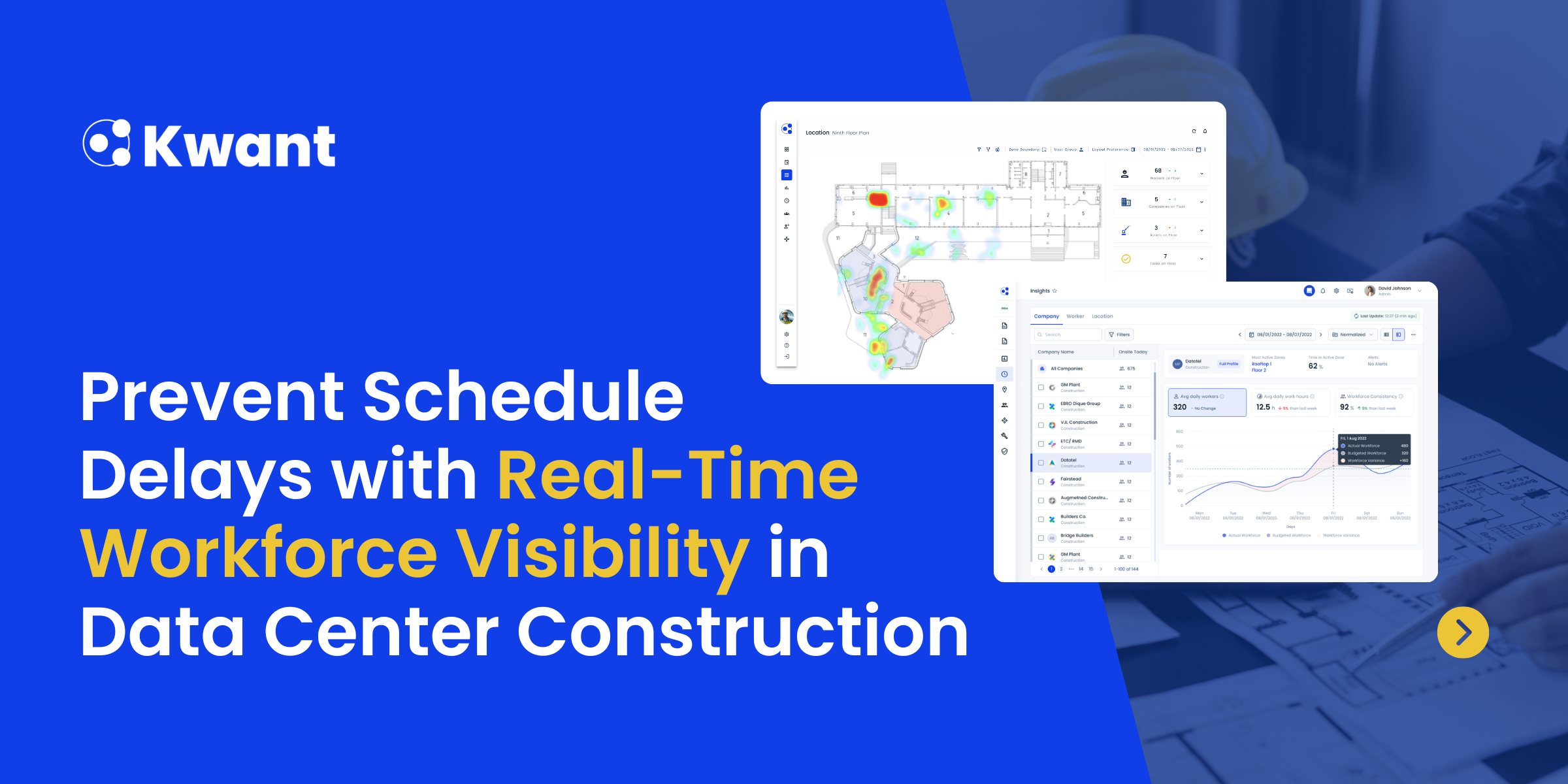
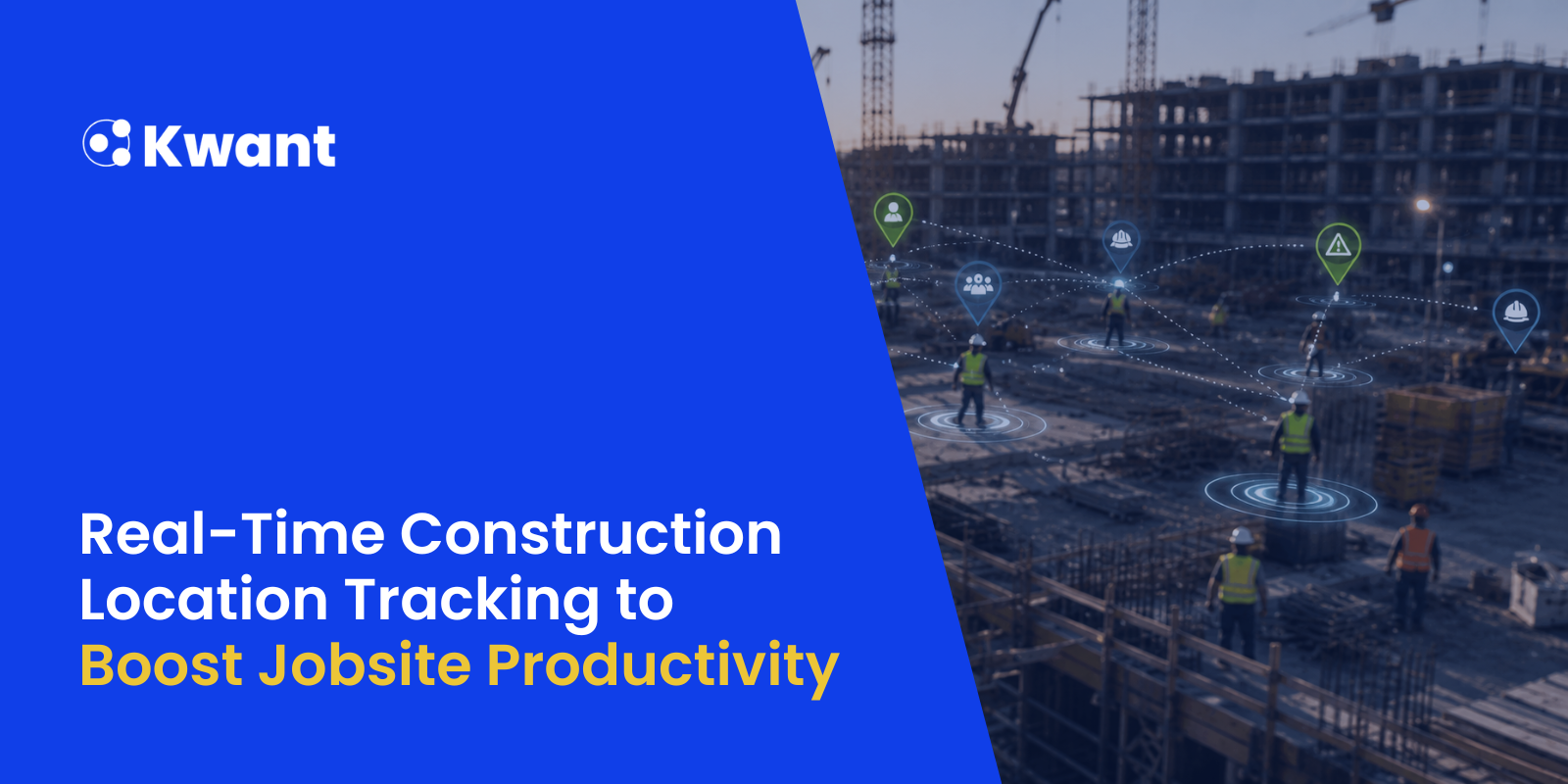
Live Headcount by Trade and Zone: Project leaders can instantly see how many electricians, pipefitters, and technicians are onsite—and exactly where they are working.
This level of workforce tracking for data center projects eliminates guesswork and supports better field coordination.
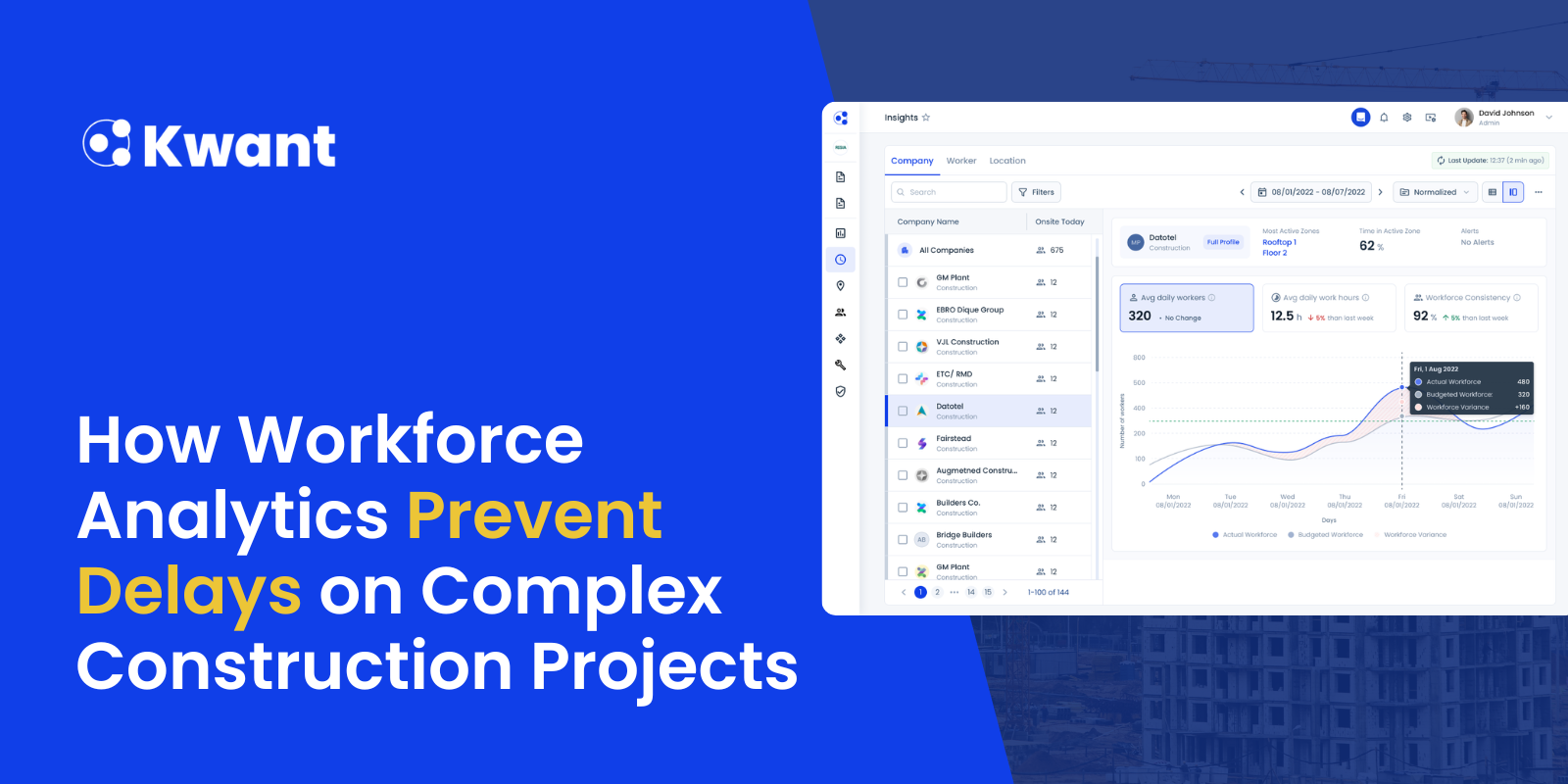
Planned vs. Actual Labor Tracking: Comparing planned manpower to actual onsite headcount allows teams to quickly identify labor gaps before they affect critical path activities.
Certification and Compliance Monitoring: Real-time visibility also includes automated tracking of certifications, training records, and access permissions—ensuring only qualified workers enter controlled areas.
Workforce Heatmaps and Analytics:
Advanced construction workforce analytics provide heatmaps and trend data that show:
- Congested zones
- Underutilized areas
- Peak workforce hours
- Productivity patterns
Instead of reacting to issues days later, teams can act immediately.
How Real-Time Workforce Visibility Keeps Data Center Projects on Schedule
Prevents Trade Stacking Delays
When project managers see congestion forming in a specific zone, they can stagger work, adjust sequencing, or redistribute crews. This proactive approach helps prevent delays in data center construction.
Improves Labor Forecasting
Historical and live workforce data enable better forecasting. Teams can anticipate when additional manpower is required and align hiring or subcontractor commitments accordingly.
Reduces Safety Incidents and Rework
Overcrowded sites increase safety risks. By managing workforce density, contractors reduce incidents, inspections, and rework—all of which impact schedules.
Speeds Up Reporting
Automated workforce tracking for data center projects simplifies daily owner reports. Instead of compiling data manually, leaders access dashboards that update in real time.
Eliminates Credential-Related Access Delays
Automated credential validation ensures workers meet all requirements before arriving onsite. This prevents lost hours at security checkpoints.
From Point Solutions to Workforce Platform Management
Many construction projects rely on separate tools for access control, badging, safety training, and reporting. However, disconnected systems create data silos.
Access Control vs. Full Workforce Lifecycle Management
Basic access control answers one question: “Is this worker allowed onsite?”
A workforce platform answers broader questions:
- Are we staffed correctly for today’s critical activities?
- Are certifications current across all trades?
- Where are congestion risks forming?
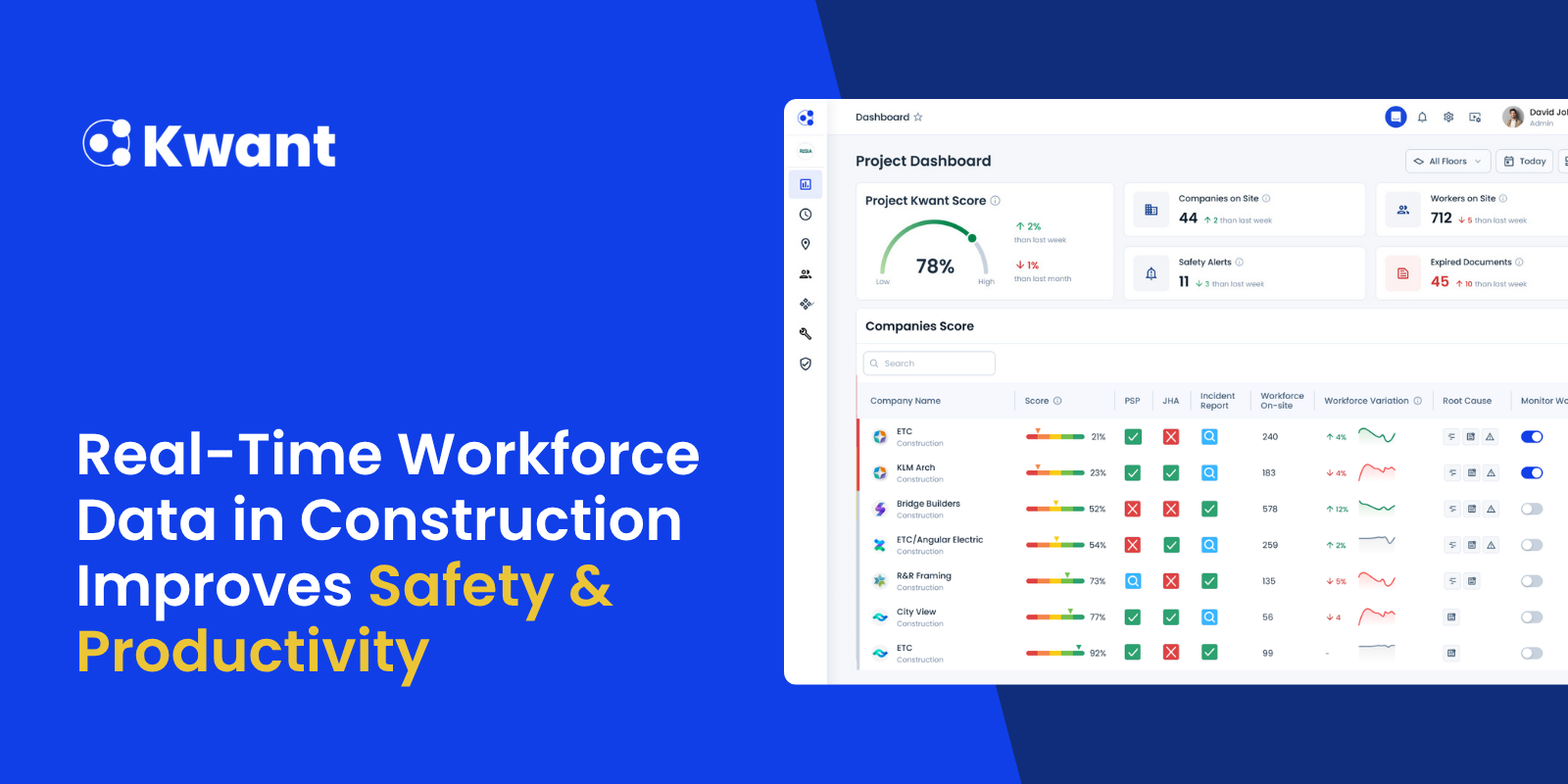
Automated Compliance Tracking
Integrated systems automatically monitor training, certifications, and background checks, reducing administrative burden.
AI-Powered Dashboards
Modern platforms provide AI-powered dashboards that highlight trends, anomalies, and labor risks.
Predictive Risk Insights
Instead of reacting to delays, predictive analytics flag risks early—helping teams adjust before schedule impact occurs.
How Kwant Delivers Real-Time Workforce Visibility in Data Center Construction
Kwant provides a connected workforce management platform designed for complex construction environments like data centers.
The platform supports:
- Digital onboarding and smart badging for seamless site access
- Live workforce tracking by trade and zone
- Automated compliance management for certifications and training
- AI-powered risk dashboards and workforce heatmaps
By consolidating workforce tracking, compliance, and analytics into one system, Kwant helps general contractors and owners gain true real-time workforce visibility—without relying on fragmented tools.
CTA: See how Kwant helps data centers stay on schedule.
Real-World Scenario: Recovering a Delayed Data Center Project
Consider a project experiencing repeated delays in electrical rough-in.
With real-time workforce visibility, leadership identifies:
- Planned manpower: 85 electricians
- Actual onsite average: 62 electricians
- High congestion in two critical zones
Step 1: Identifying Labor Shortfalls
Live headcount data reveals a consistent labor gap during peak hours.
Step 2: Redistributing Manpower
Superintendents reassign crews from non-critical zones and coordinate with subcontractors to increase staffing.
Step 3: Preventing Congestion
Heatmaps show overcrowded work areas. Crews are staggered and resequenced to improve workflow.
Step 4: Realigning the Schedule
Within weeks, productivity stabilizes and the project regains lost time.
Without real-time workforce data construction leaders would likely have discovered the issue too late.
The ROI of Workforce Visibility in Data Center Construction
Investing in real-time workforce visibility delivers measurable returns:
1. Reduced Schedule Slippage: Early risk detection prevents small labor issues from escalating into critical path delays.
2. Improved Productivity: Balanced crew distribution and congestion control improve daily output.
3. Lower Administrative Burden: Automated reporting and compliance tracking reduce manual data entry and paperwork.
4. Faster Time-to-Revenue: Most importantly, delivering the data center on schedule accelerates commissioning and revenue generation.
For mission-critical facilities, schedule certainty directly impacts the bottom line.
Conclusion: Visibility Is the New Schedule Insurance
In today’s environment, data center construction scheduling leaves little room for error. Workforce blind spots create unnecessary risk.
However, real-time workforce visibility in data center construction transforms workforce data into actionable insight. It enables smarter labor forecasting, reduces congestion, strengthens compliance, and protects critical timelines.
For general contractors and owners building mission-critical facilities, workforce intelligence is no longer optional—it is essential.
See how Kwant helps data centers stay on schedule.
FAQs
1. What are workforce blind spots in data center construction?
Workforce blind spots are gaps in real-time labor visibility. They lead to understaffed critical activities, trade stacking, credential delays, and compliance risks that threaten project schedules.
2. What is real-time workforce visibility?
Real-time workforce visibility is live tracking of labor by trade and zone, combined with compliance monitoring and manpower forecasting to prevent construction delays.
3. How does workforce visibility prevent data center construction delays?
It identifies labor gaps, prevents congestion, improves forecasting, automates compliance validation, and enables faster reporting—protecting critical path activities.
4. How is a workforce platform different from basic access control?
Basic access control only verifies entry. A workforce platform like Kwant integrates onboarding, real-time labor tracking, credential monitoring, analytics, and predictive insights to manage staffing, safety, and productivity across the entire project lifecycle.
5. What ROI does workforce visibility deliver in data center projects?
It reduces schedule slippage, improves productivity and safety, automates reporting, centralizes compliance, and accelerates project delivery — helping teams save time and reduce costs while boosting schedule certainty.
%20(1).svg)


